Competitive Pricing
Our prices are competitive, and we offer flexible pricing options and discounts to ensure that our customers are satisfied.
Experienced Team
Our team consists of experienced professionals with the expertise needed to meet the specific needs of our customers.
Global Presence
We have a strong global presence, with offices in various locations, enabling us to offer our services to customers worldwide.
Sustainable Development
We are committed to promoting sustainable development by working with manufacturers and suppliers who meet our ethical and environmental standards.
Cold rolled steel is a type of steel that has been processed at low temperatures to increase its strength and hardness. This is achieved through the use of rollers that compress the steel, causing it to undergo plastic deformation and become more dense and compact. Cold rolled steel is typically used in applications where high levels of precision and accuracy are required, such as in the manufacture of engine parts, electrical components, and appliances. It is also commonly used in the construction industry, to produce products such as roofing and siding materials, as well as in the automotive industry, for the production of car frames and body panels.







Improved Surface Finish
Cold-rolled steel undergoes a rolling process at room temperature, resulting in a smoother and more refined surface finish compared to hot-rolled steel. The cold-rolling process reduces surface imperfections, such as scale or roughness, providing a clean and aesthetic appearance.
Dimensional Accuracy and Consistency
Cold-rolled steel is processed with tight dimensional tolerances, ensuring consistent thickness, width, and length across the material. This precision allows for easier integration and assembly of cold-rolled steel components in various applications.
Increased Strength
Cold-rolling compresses and work-hardens the steel, resulting in increased tensile strength and hardness. Cold-rolled steel typically exhibits higher mechanical properties compared to hot-rolled steel, making it suitable for applications that require greater strength and durability.
Better Formability
Cold-rolled steel is highly formable and can be easily shaped, bent, or manipulated without cracking or breaking. Its enhanced ductility and malleability allow for complex forming operations, such as deep drawing or bending, without significant deformation or material failure.
Tighter Thickness Tolerances
Cold-rolled steel offers tighter thickness tolerances compared to hot-rolled steel, ensuring consistent and precise material thickness throughout the sheet or coil. This characteristic is beneficial in applications that require strict dimensional control or where thinner gauges are needed.
Improved Surface Hardness
Cold-rolled steel exhibits increased surface hardness due to the work-hardening process during cold rolling. This hardness provides better resistance to wear, abrasion, and scratching, making cold-rolled steel suitable for applications that require a durable and scratch-resistant surface.
Better Surface Flatness
Cold-rolled steel sheets or coils have excellent flatness characteristics, with minimal deviations or warping. This feature is important for applications that require flat, even surfaces, such as automotive panels, appliances, or metal furniture.
Surface Finish
Cold rolled steel sheets have a smoother and more consistent surface finish due to the rolling process at lower temperatures. This makes them well-suited for applications where appearance matters, such as in architectural elements or consumer products.
Dimensional Accuracy
The cold rolling process ensures tighter dimensional tolerances, making cold rolled steel sheets more precise in terms of thickness, width, and length. This accuracy is crucial for projects that require precise measurements.
Hot Rolled Steel Strength
Cold rolled steel sheets generally exhibit higher strength and hardness compared to hot rolled sheets. This makes them suitable for applications requiring load-bearing capabilities or where durability is a priority.
Cost Considerations
Cold rolled steel sheets are typically more expensive than hot rolled sheets due to the additional processing steps involved. However, their improved surface finish and dimensional accuracy can offset the higher cost for specific projects.
Weldability
Cold rolled steel sheets are known for their excellent weldability, which makes them ideal for applications that require welding or other fabrication processes.

Cold Rolled Steel, often abbreviated as CR or CRS, is known for being extremely ductile. Additionally, it is formable for moderate draw applications, as well as being non-shrinking and non-creeping at ambient temperatures.
Most often, you'll find details about Cold Rolled Steel as it compares to Hot Rolled Steel. Here are a few of the key differences between the two products:
Strength — Cold Rolled Steel can exhibit up to 20% greater strength than Hot Rolled Steel, making it more suitable for high-stress applications.
Precision — Cold Rolled Steel does not shrink after the forming process, allowing for the creation of precise components that require little to no secondary processing.
Surface — Cold Rolled Steel generally has a smoother and shinier surface, free of rust and scale.
Types Of Cold Rolled Steel
Low Carbon Steel
This type of steel is preferred for its ductility and low cost. It is used in the manufacturing of appliances, automotive parts, construction materials, and roofing.
Medium Carbon Steel
This grade of steel is used in the construction of hardware, tools, and agricultural implements. It is also used in the production of pipes and tubes.
Alloy Steel
This type of steel is made up of varying elements like manganese, silicon, and copper. It is very versatile and is used in manufacturing screws, bolts, and automobile parts.
Stainless Steel
This type of steel is resistant to rust and corrosion and is used in the manufacturing of kitchen equipment, surgical instruments, and automotive parts.
Drawing Quality Steel
It is used to produce products that require deep drawing, like automobile parts, and appliances.
Extra Deep Drawing Quality Steel
This type of steel is used in the manufacturing of steel containers, tank bodies, and pressure vessels.
High-Strength Low Alloy Steel
This type of steel is used in the manufacturing of bridges, pipelines, and construction equipment.
Dual-Phase Steel
This type of steel is used to manufacture automobile components like bumpers, doors, and frames.
Construction Parts
In the construction industry, cold rolled steel is commonly used for manufacturing beams, columns, built-up sections, floor decking, and other essential metal components.
In addition, it is used in different construction projects such as grain bins, railways, bridges, storage racks, sheds, drainage facilities, roofing and wall systems, buildings, garages, and more.
Production Machinery
Cold rolled steel is tested and proven to be potentially strengthened by up to 20%. In addition, cold rolling offers high stamping performance, excellent mechanical properties, and low yield strength.
Metal Furniture and Home Appliances
Due to its mechanical stress procedure, cold rolled steel displays a smooth and sturdy surface. It can also be rolled thinner by up to 50%, which makes it ideal for metal furniture and home appliances manufacturing. It does not only guarantee you longer service life, but it also offers a more visually appealing and aesthetic appearance.
Automotive Industry
Steel is a common part of the automotive industry. Cold rolled steel, in particular, is more commonly used over hot rolled steel due to its wear-resistant and shockproof qualities.
In this type of industry, cold rolled steel is utilized to manufacture load-bearing elements of vehicles and cars. Additionally, it can also be used to manufacture automotive seat parts, electric motors, fuel tanks, and more.
Manufacturing Industry
In the manufacturing industry, cold rolled steel is also a widely used steel material. Below are the following common cold rolled products:
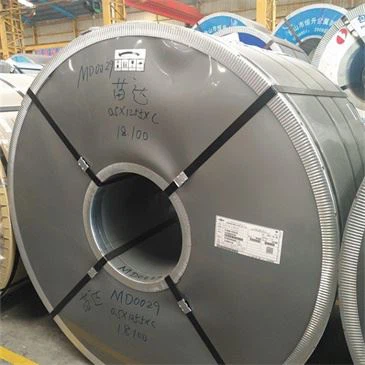
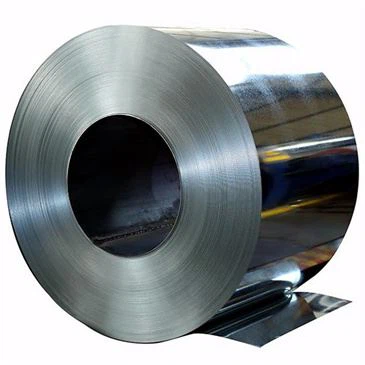
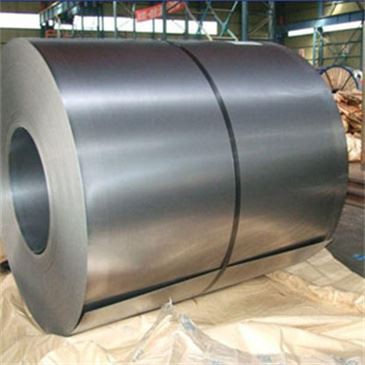
Steel coil — A finished, thin, and flat steel sheet or strip referred to as cold rolled steel coil.
Steel tube — A steel piping with a hollow length and section known as a cold rolled steel tube.
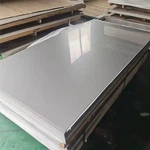
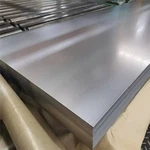
Steel sheet — A thin, flat, and rectangular metal sheet called cold rolled steel sheet.
Painted steel – Cold rolled steel has excellent paintability and formability, which is why it’s the base metal of various steel products like galvanized steel.
Cold-rolled steel is a type of steel that is processed at room temperature, resulting in a smoother and more refined surface finish compared to hot-rolled steel. The production process for cold-rolled steel involves several stages, including:
Raw Material Selection: The first stage involves selecting the appropriate raw materials, which are typically low-carbon steel sheets or coils. The selection of the raw material is crucial as it determines the final properties and quality of the cold-rolled steel.
Cleaning and Pickling: The raw material is then cleaned and pickled to remove any impurities, rust, or scale that may be present on the surface. This process is done using a combination of acid baths and rinses.
Cold Rolling: Once the raw material has been cleaned and pickled, it is then fed through a series of rollers in a cold rolling mill. The rollers compress and shape the material to the desired thickness, reducing its thickness by up to 50%. This process also results in the material becoming harder and stronger.
Annealing: After the cold rolling process, the material may undergo annealing, which involves heating the steel to a specific temperature and holding it there for a period of time before cooling it slowly. This process helps to reduce the material's hardness and increase its ductility, making it easier to form and shape.
Skin Pass Rolling: The material may also undergo skin pass rolling, which involves passing it through a series of rollers that apply a light pressure to improve the material's surface finish.
Cutting and Slitting: Once the cold-rolled steel has been processed, it is cut and slit to the desired size and shape. This process may involve shearing or sawing the material, depending on the requirements.
Final Inspection and Quality Control: Finally, the cold-rolled steel undergoes a series of inspections to ensure that it meets the required standards for strength, thickness, and surface finish.
Regular cleaning: The first step in maintenance of cold rolled steel is regular cleaning using a mild detergent and water. This helps to remove any dirt, dust, and other harmful particles that may cause damage to the surface of the steel.
Rust prevention: Cold rolled steel is prone to rust, and hence, it is essential to prevent rust formation by using a rust inhibitor or protective coating. This helps to protect the surface of the steel from moisture, which can lead to rust formation.
Lubrication: Lubrication is another essential step in the maintenance of cold rolled steel. This involves the application of a high-quality lubricant, which helps to reduce friction between the steel surfaces, thereby minimizing wear and tear.
Inspection: Regular inspection of the steel is essential to detect any signs of damage or wear and tear, which can lead to corrosion or other issues. This helps to prevent costly repairs and replacements in the long run.
Proper storage: Proper storage of cold rolled steel is also critical to its longevity. This involves keeping the steel in a dry, clean, and well-ventilated space, away from moisture and other harmful environmental factors.

Pickling
Hot rolled steel coils are cleaned with acid to remove surface scale and impurities, creating a smooth surface for cold rolling.
Cold Rolling
The steel strip passes through cold rolling mills to reduce thickness, improve dimensional accuracy, and enhance surface finish.
Annealing
The steel is heat-treated to relieve internal stress and improve ductility, formability, and mechanical properties.
Skin Passing
A light rolling process improves flatness, surface quality, and ensures consistent mechanical performance.
Quality Inspection
Finished cold rolled steel is inspected for thickness, surface condition, chemical composition, and mechanical properties.
Cutting, Packaging & Shipping
The steel is cut or supplied as coils according to customer requirements, then securely packed for transportation.
Gnee Steel (tianjin) Co., Ltd was established in 2008 and is located in the North China Steel Market, China's largest steel distribution center. We are a comprehensive company integrating steel trading, processing, distribution and service.
As an ISO 9001,SGS certified company, we have been serving our customers and projects in South America, Southeast Asia, Central Asia, Middle East, Africa and North Europe market.


Q: Will cold-rolled steel rust?
Q: Is cold-rolled steel bendable?
Q: Does cold-rolled steel have good machinability?
Q: How long does cold-formed steel last?
Q: Which steel is stronger hot rolled or cold rolled?
Q: How thick can you get cold rolled steel?
Q: Can you weld cold rolled steel?
Q: What is the cutting speed for cold rolled steel?
Q: Is cold rolled steel expensive?
Q: Why use cold rolled steel?
Q: Can you galvanized cold rolled steel?
Q: How do you soften cold rolled steel?
Q: Why is cold rolled steel more expensive?
Q: What welding rod is used for cold rolled steel?
Q: What are 3 advantages of cold rolled steel?
Q: Is cold rolled steel stronger than mild steel?
Q: How do you harden cold-rolled steel?
Q: What temp does cold-rolled steel melt?
Q: What is the most common cold-rolled steel?
Q: What is cold rolled steel also known as?
As one of the most professional cold rolled steel manufacturers and suppliers in China, we're featured by good service and competitive price. Please rest assured to buy high quality cold rolled steel for sale here from our factory. Contact us for pricelist and free sample.
Cold Drawn Carbon Steel, SPCD Cold Rolled Steel Sheet, SPCC Cold Rolled Steel(0/10)

