Competitive Pricing
Our prices are competitive, and we offer flexible pricing options and discounts to ensure that our customers are satisfied.
Experienced Team
Our team consists of experienced professionals with the expertise needed to meet the specific needs of our customers.
Global Presence
We have a strong global presence, with offices in various locations, enabling us to offer our services to customers worldwide.
Sustainable Development
We are committed to promoting sustainable development by working with manufacturers and suppliers who meet our ethical and environmental standards.
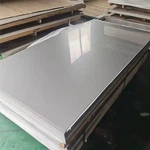
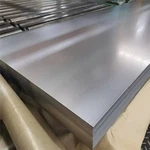
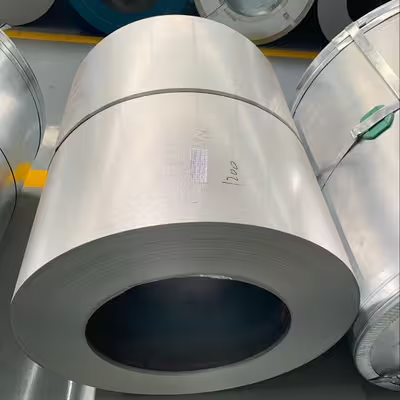
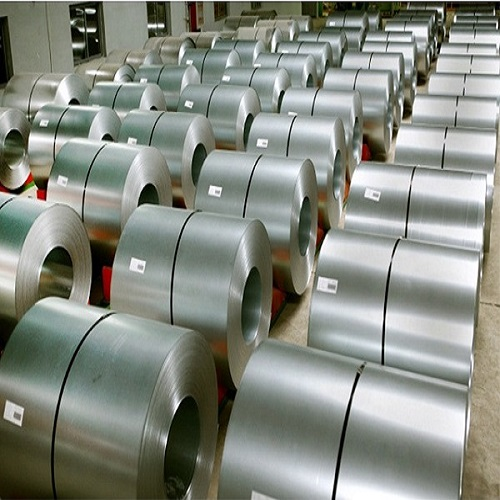
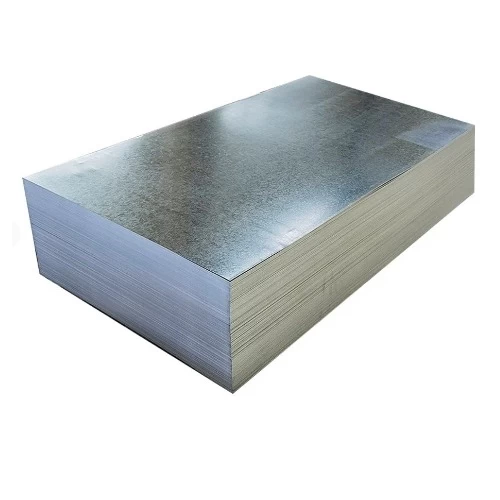
Galvanized steel is a type of steel that has been coated with a layer of zinc, typically through a process called hot-dip galvanizing. This process involves dipping the steel into a bath of molten zinc, which forms a protective layer over the surface of the metal. The zinc coating helps to prevent the steel from rusting and corroding, making it a popular choice for outdoor applications such as fencing, roofing, and construction. Galvanized steel is also used in automotive parts, appliances, and other industrial applications.







Durability
The average coating on galvanized steel can protect the metal from corrosion for up to 100 years. Even in harsh climates and coastal areas, galvanized steel can remain rust-free for three decades or more.
Sustainability
Galvanized steel doesn’t require the anti-corrosive paint required to protect ungalvanized metal, which can put toxins into the environment. Moreover, galvanized steel can undergo a recycling process that separates the zinc from the steel. Both materials can be recycled infinitely without losing any beneficial properties.
Cost-effectiveness
Studies have shown that galvanizing steel is more than a third less expensive than painting. Furthermore, galvanized steel is virtually maintenance-free, and the cost over the lifespan of the structure is minimal.
Proven reliability
Through rigorous testing and improvements, galvanized steel has earned a reputation as solid and durable, making it a global go-to material for construction projects.
Predictability
The galvanized steel’s protective layer erodes at a predictable, linear rate. If climatic conditions remain stable, you can accurately predict how long the zinc will last, and there should be no surprises.
Fast turnaround
Hot-dipped galvanizing is a quick and straightforward process done in fabrication facilities worldwide. Most facilities galvanize metal for several projects at once. With enough advance notice, your steelwork can be galvanized in less than 24 hours.
Complete coverage
Because the pieces are immersed in liquid, molten zinc reaches areas where painting and other treatments can’t. Tubes and hollow pieces can be coated inside and out. The zinc also naturally builds up at vital corners and edges for extra protection.
Lowest First Cost
Talking about the first cost, galvanizing is considered to be lower than any other commonly specified protective coatings for steel. This is due to increase in the application cost of labor intensive coatings like painting as compared to the cost of factory operations like galvanizing.
Lowest Long Term Cost (low maintenance)
Galvanizing is considered to be invariably cheap in long term though its initial cost is considered to be higher than alternative coatings. Maintenance in the long term surely adds on to the cost which is not the problem in case of galvanization.
Long Life
On typical structural members, the life expectancy of galvanized coatings is far in excess of 50 years in the most rural environments and in case of severe urban and coastal areas, this may add up to even 20 to 25 years.
Reliability
Following the norms, the galvanization process by galvanizing plant manufacturers is done as per Australian/New Zealand Standard 4680 with minimum coating thickness. In such case, coating life and performance becomes reliable and predictable.
Toughest Coating
Having a unique metallurgical structure, the galvanized coating gives outstanding resistance to mechanical damage in transport, service and erection.
Automatic Protection for Damaged Areas
Galvanized coatings provide cathodic or sacrificial protection to small areas of steel that are exposed through damage. Here, small damaged areas are not required to touch up unlike organic coatings.
Complete Protection
A complete protection is availed for every part of galvanized article including recesses, sharp corners and inaccessible areas. The protection remains intact even if no coating is applied to a structure or fabrication after completion.
Inspection Process is Easy
As the galvanized coatings can be assessed directly by naked eye, a simple non-destructive thickness testing methods can be used for the same. The galvanized coatings can be termed sound and continuous if they appear to be the same.
Faster Erection Time
There is no wastage of time on-site in case of surface protection, inspection and painting as the galvanized steel members are ready for use. Once the assembly of the structure gets completed, it can be used immediately for the next construction stage.
A Full Protective Coating Can Be Applied Within No Time
The galvanized process does not depend on weather conditions hence, the coating regardless of any weather can be applied within no time.

Hot-dip galvanized steel: This is the most popular and commonly used type of galvanized steel. The steel is immersed in a bath of molten zinc, which bonds to the surface of the steel.
Electro-galvanized steel: In this process, a thin layer of zinc is deposited on the surface of the steel using an electric current. It is less durable than hot-dip galvanized steel.
Galvannealed steel: This type of galvanized steel is heated after the zine coating process to create a zinc-iron alloy layer on the surface of the steel, which improves its corrosion resistance.
Sherardized steel: This is a similar process to hot-dip galvanizing, but using powder rather than liquid zinc. It creates a thicker layer of zinc on the surface of the steel.
Continuous galvanizing: In this process, the steel is fed through a series of rollers that apply a continuous layer of zinc to the surface. It is mainly used for high-volume, low-cost applications.
Framing Buildings
Galvanized steel materials make up powerful support structures for buildings, especially when they are surrounded by concrete. From apartment and office buildings to stadiums or museums, galvanized steel guarantees a building’s frame and interior structure will remain strong and corrosion-free for decades. Its unique zinc coating means it can withstand minor scratches and damage without losing its rust resistance.
Reinforcing Roads
Hot-dipped galvanized steel outshines every other material when it comes to strengthening and reinforcing roads and bridges. This is why reinforcing roads is one of the most common uses of galvanized steel While the materials around it crack or wear down over time, the galvanized steel frame remains in like-new condition. There have even been projects where, once the road or bridge was cut, the hot-dipped galvanized steel frame was found stronger than it was when installed. This is because of the zinc coating’s self-healing properties, which build up a protective coating when damage to the structure may cause water to seep through the surface.
Crossing Areas with Harsh or Unique Conditions
Building bridges in areas with harsh conditions is one of the most famous uses of hot-dipped galvanized steel. Why is this one of the common uses of galvanized steel? The steel is chosen for two reasons: It promises superior corrosion resistance without compromising aesthetics. Its ability to handle wet, salty environments has made it the first choice of builders and project managers in northern and southern areas alike.
Supporting Industrial Processes
Galvanized steel is common in industrial processes. While this use may not garner as much media coverage, it plays an important role in supporting American production. The reason this is one of the common uses of galvanized steel is that the strength and resilience of galvanized steel allow it to be formed into complex shapes for machinery, while its corrosion resistance guarantees it will continue functioning without fail. Galvanized steel plays an essential role in forming equipment and supporting structures for the chemical, oil, energy, pulp and paper industries across the country.
Protecting Monuments and Memorials
Galvanized steel is a great choice for outdoor monuments and memorials. Because materials of many shapes and sizes can be hot-dip galvanized, stunning sculptures or structures can be built from the resulting galvanized steel. The zinc coating boasts a bright, silver appearance, while its corrosion resistance guarantees it will maintain its beauty for years to come.
Building Durable and Sustainable Outdoor Structures
From handrails and canopies to solar panels, one of the common uses of galvanized steel is for outdoor structures that serve a daily purpose. Its corrosion resistance and durability mean that the original equipment does not require constant repairs or replacements. This reduces waste and the amount of energy necessary to maintain each piece of equipment. It also means that your equipment and the site where it was installed remain rust-free for years.
Creating Cost-Effective Options for Agriculture
Galvanized steel has multiple uses in agriculture, from storage silos to animal pens. Its corrosion resistance means it can handle moisture and harsh conditions common on farms without losing its strength or appearance. Plus, galvanized steel’s durability reduces the need for ongoing maintenance and replacements, making it a cost-effective option for farmers looking to invest in durable structures.
Cleaning the steel
The steel is first cleaned to remove any rust, oil, or other contaminants. This is done by dipping the steel in an alkaline cleaning solution or by using high-pressure water or sandblasting.
Pickling
The steel is then dipped in an acidic solution, usually hydrochloric acid, to remove any remaining rust or scale from the surface. This process is called pickling and leaves the steel with a clean, smooth surface.
Fluxing
The steel is then rinsed in a solution of zinc ammonium chloride to prepare it for the galvanizing process.
Galvanizing
The steel is immersed in a bath of molten zinc, typically at a temperature between 815-850°F (435-455°C). The zinc coating on the steel reacts with the steel to form a tightly adhered, durable coating.
Cooling
The steel is removed from the zinc bath and allowed to cool. During the cooling process, the zinc forms a dense layer that provides excellent corrosion resistance.
Inspection
Once the steel has cooled, it is inspected for quality and consistency of the zinc coating. Any defects or areas that require additional coating are identified, and the steel is recoated as needed.
●Avoid long periods of exposure of your galvanized steel product to environments where the pH is below 6 and above 12. Outside the range of pH 6-12 the galvanized coating can suffer greater corrosion than normal.
●Avoid direct contact of your galvanized steel product with dissimilar metals, such as brass and copper, particularly in corrosive environments. Where dissimilar metals are to be used together ensure that there is an insulator between the dissimilar metal and the galvanized product.
●Do not constantly abrade clean your galvanized product and, where possible, avoid abrasive washing of your galvanized product altogether. One of the ways in which galvanizing protects steel from corrosion is by the development of a thin barrier film of insoluble zinc corrosion products (known as a patina) on the outer surface of the galvanized steel through exposure to the atmosphere. Abrasive cleaning will wash away this protective patina and the galvanized article will have to build up this barrier protection again, consuming more of the zinc. Constant abrasive cleaning will consume the zinc more quickly and therefore may reduce the life of your galvanized steel product.
●Galvanizing may be cleaned using a water-based emulsifier, alkaline-based cleaners with a pH of 12 or lower or organic solvents. Then rinse the area with fresh water and simply wipe clean with a soft cloth. Please consult the your galvanizer or the GAA if you have any concerns in regards to cleaning your product.
●For galvanizing product situated in a highly corrosive environment eg. coastal, heavy industrial, etc it is recommended the product be rinsed with potable water on a regular basis, particularly under sheltered conditions (i.e. not exposed to rain and sun).
●Avoid long term storage of any galvanized product in damp and poorly ventilated conditions. Ensure the storage location is dry and there is effective ventilation.

Gnee Steel (tianjin) Co., Ltd was established in 2008 and is located in the North China Steel Market, China's largest steel distribution center. We are a comprehensive company integrating steel trading, processing, distribution and service.
As an ISO 9001,SGS certified company. With many years of manufacturing and exporting experience, we have been serving our customers and projects in South America, Southeast Asia, Central Asia, Middle East, Africa and North Europe market.


Q: What is galvanized steel?
Q: How is galvanized steel made?
Q: How long will galvanized steel last before it rusts?
Q: What are the benefits of galvanized steel?
Q: How does galvanized steel prevent corrosion?
Q: What types of galvanized coatings are there?
Q: Can galvanized steel be painted?
Q: Is galvanized steel suitable for outdoor use?
Q: What is the difference between galvanized steel and stainless steel?
Q: Can galvanized steel rust?
Q: How long does galvanized steel last?
Q: What are common applications of galvanized steel?
Q: Can galvanized steel be welded?
Q: How is the thickness of the zinc coating determined?
Q: Is galvanized steel environmentally friendly?
Q: Can galvanized steel be used in contact with food?
Q: Can galvanized steel touch regular steel?
Q: What reacts with galvanized steel?
Q: What temp does galvanizing burn off?
Q: Can you paint over galvanized steel?
As one of the most professional galvanized steel manufacturers and suppliers in China, we're featured by good service and competitive price. Please rest assured to buy high quality galvanized steel for sale here from our factory. Contact us for pricelist and free sample.
(0/10)

