Competitive Pricing
Our prices are competitive, and we offer flexible pricing options and discounts to ensure that our customers are satisfied.
Experienced Team
Our team consists of experienced professionals with the expertise needed to meet the specific needs of our customers.
Global Presence
We have a strong global presence, with offices in various locations, enabling us to offer our services to customers worldwide.
Sustainable Development
We are committed to promoting sustainable development by working with manufacturers and suppliers who meet our ethical and environmental standards.
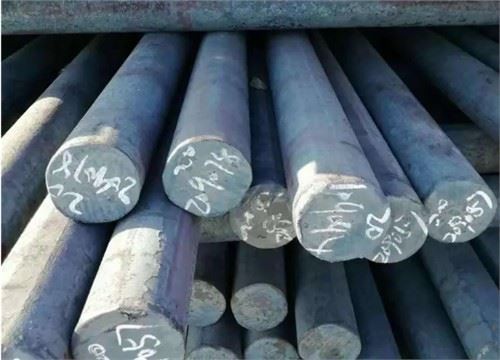
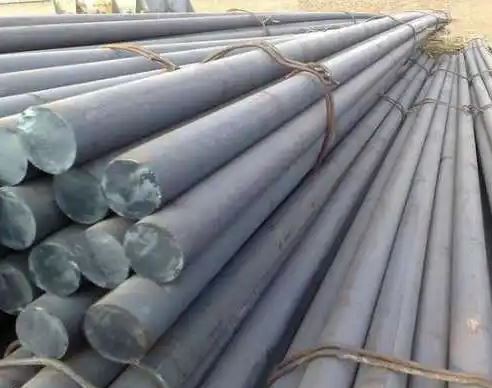
Structural steel is a type of steel that is used to construct buildings and other large structures. It is characterized by its high strength, durability, and resistance to corrosion. Structural steel can be shaped into a variety of forms, including beams, channels, angles, plates, and bars, which are then used to assemble the framework of a structure. It is commonly used in the construction of commercial buildings, bridges, stadiums, and other large-scale projects.






Benefits Of Structural Steel
Strength
Although structural steel is known to have considerable strength, it can be further improved by adding various alloys to its composition. The manufacturing process, mechanical working, and heat treatment of steel will also affect its strength. But the most important factor affecting this is its strength-to-weight ratio, which means it is significantly strong for much less weight.
Cost-effectivity
The past decades have seen advancements in steel production, making it progressively cheaper and faster to produce. The time it takes to produce a tonne of steel nowadays is significantly lower, leading to lower costs.
Aesthetic Versatility
Owing to the versatility of steel, designers and architects have more freedom of artistic expression through the shapes of structural steel components without compromising strength or functional properties.
Sustainability
Steel is widely recycled in the construction industry. It is 100% recyclable with minimal degradation to the properties that make it a preferred construction component. Over 90% of structural steel is recycled, making steel the world’s most sustainable building material. Very minimal processing is required for its recycling, and the carbon footprint has continually been reduced, especially in the last decade.
Fire Resistance
Steel is, by default, a non-combustible material but loses a significant amount of its structural integrity when heated sufficiently. ‘Critical Temperature’ is the term used to indicate steel’s ability to support a load under a specific temperature.
Resistance to the Elements
Steel is also particularly resistant to the elements, such as mould or mildew, which could affect the integrity of other materials. Although corrosion remains a weakness of steel, there are preventive measures that can be taken, such as sprays and protective paints, albeit at a cost.
Carbon Steel
It is the most commonly used structural steel with a wide range of applications. It contains carbon as the major element, and its properties can be modified by adjusting the carbon content.
Alloy Steel
It is a type of steel that contains alloying elements such as manganese, chromium, nickel, and vanadium. It has better strength, toughness, and corrosion resistance than carbon steel.
Stainless Steel
It is a type of alloy steel containing at least 10.5% chromium that provides corrosion resistance. It is commonly used in high moisture and chemical environments.
Tool Steel
It is a type of alloy steel that is used to make tools, dies, and other cutting components. It has high hardness, wear resistance, and toughness.
Weathering Steel
It is a type of steel that has improved corrosion resistance compared to carbon steel due to the presence of copper, nickel, and chromium. It is commonly used in outdoor structures such as bridges and buildings.
High-Strength Low-Alloy (HSLA) Steel
It is a type of alloy steel that has improved strength and toughness compared to carbon steel. It contains small amounts of alloying elements to enhance its properties.

L- shape: Is often used as a corner section in construction, industry, commerce, transportation, or mining.
U-shape: Two sides parallel to the correct angles resemble the shape of the letter “U”. This type has relatively high durability.
C-shape: Has a cross-section resembling the letter “C”; this form is used to make purlins below the roof with a supporting effect.
Z-shape: There is a cross-section resembling the letter “Z”, similar to the form of “C”, this form is also mainly used to make purlins.
Tubular hollow cross form: Tubular hollow cross sections are highly resistant to twisting and are used mainly in multi-axis constructions.
Flatform: Often referred to as plates, used to attach to construction parts to enhance bearing strength.
Rectangular hollow cross-section: The rectangular open cross-section resembles the circular hollow cross-section. This type is often used in many mechanical and construction steel industries.
Square hollow cross-section: Since this form is difficult to combine with other forms, the square open cross-section is used only as a column or pillar of the building.
Taper-shaped beams and columns: Popular in industrial prefabricated steel buildings.
What Are The Different Shapes Of Structural Steel?
Angled sections
Right-angled, L-shaped steel sections that come in equal or unequal lengths. These are usually used to support any kind of steel structure, from joining steel bars together to supporting a steel bedframe.
Tubular hollow sections
Circular, pipe-like steel sections with high torsional resistance, meaning they are less likely to twist under weight, and are therefore ideal for load-bearing.
Flat sections. Otherwise known as “plates,” flat sections can be attached to other sections to reinforce strength.
Parallel flange channels
Parallel flange channels are U-shaped steel sections with right-angled corners; these steel sections have a high strength-to-weight ratio, meaning they are often relatively light compared with the loads they can bear.
Rectangular hollow sections
Rectangular hollow sections are similar to tubular hollow sections, except they are rectangular in shape. They have high torsional resistance.
Square hollow sections
Square hollow sections are less commonly used than tubular or rectangular hollow sections, as their shape is not compatible for fusing with many other structural steel shapes. They are often used in the columns or posts of a structure, however.
Tapered flange beams
Also known as I-beams, resembling the letter “I” at its ends, tapered flange beams are typically used as cross-sections for girders. They have an overall high resistance ratio, but unlike variously shaped hollow sections, do not have high resistance to torsion.
Universal beams
Universal beams, known as H-beams for their resemblance to the capital letter, or wide flange beams, are similar in shape and function to tapered flange beams.
Universal columns
Universal columns resemble universal beams, but are primarily used for vertical building columns due to their superior load-bearing capabilities.
Large, Industrial Buildings
Most high-rise buildings you see are designed using some kind of steel due to its low weight and great strength. For buildings under 500 feet, reinforced steel and concrete will generally be used. For skyscrapers over 500 feet, a steel frame is almost always part of the construction.
Not only does steel act as one of the strongest possible foundations for these buildings, it’s perfect for construction due to its ease of use. Steel can be fabricated quickly, which allows for much quicker production. Combine that with its durability and relatively low cost compared to similar products, and you have the perfect product for larger projects.
Residential
For residential buildings constructed using steel, a process called light gauge steel is used to maximize strength. Wooden 2x4s are replaced with steel, turning the building into a stronger and more dependable version of a traditional wooden-framed structure. Virtually any residence can be enhanced using this process.
Parking Garages
For some of the same reasons it’s perfect for large buildings, steel is also perfect for parking structures. Low cost, shortened construction time and long-term durability are all attractive factors for a parking garage, as is the light weight and ease of construction steel provides.
Bridges
Steel’s great strength-to-weight ratio makes it perfect for bridges, and its durability ensures that it can withstand the pressure a bridge undertakes. The Brooklyn Bridge is the oldest suspension bridge in the US at 127 years old, and unsurprisingly it uses mostly steel-wire suspensions.

Design Preparation:
The first step in any structural steel fabrication process is design preparation. This is where the drawings and specifications for the project are created and agreed. Once the design is complete, the draftsman can start creating the exact Bill of Material (BOM) and Bill of Operations (BOO) to prepare the information needed for purchase and production.
Material Acquisition:
When the draftman finishes the detailed BOM then purchases will take it over to acquire the required materials for the project. This usually involves ordering the steel from a supplier. Steel can be in standard length or already cut into length based on the order. The steel will then be delivered to the fabrication site.
Steel Cutting and Drilling:
The next step is to cut and drill the steel. This is usually done with a CNC machine. The steel is first cut to the correct length and then drilled to create the holes needed for the project. Steel cutting can be performed by circular saw machines, laser cutting machines, waterjet machines, or plasma cutting machines.
Bending and welding:
Once the steel is cut and drilled, it is time to bend and weld it. Various bending processes such as section bending, roll bending, plate bending, and tube bending are performed to create the desired shape. The steel is then welded together using either MMA welding or MAG welding. The welding can be performed by hand or with a machine. Welding must be performed under strict quality management conditions as per BS EN ISO 3834, under the supervision of a welding coordinator.
Quality Check:
The quality check ensures that the steel meets all the required specifications. It includes visual inspections, dimensional inspections, and mechanical tests. Non-destructive testing (NBT) is also performed to ensure that the welded parts are free from hidden defects and cracks.
Finishing:
After the quality check is complete, the steel is then sandblasted and painted. This is done to protect the steel from corrosion. The finishing process is performed before installation to reduce the installation time and cost.
Delivery, Assembly, and Installation:
In the final step, the steel is delivered to the site and assembled as per the required design. The assembly process usually involves bolting, riveting, or welding the steel parts together. The fabricated steel parts must be handled carefully to avoid any damage. Installation can be performed by using heavy-duty cranes.
Cost-effective - Compared to other framing materials, structural steel brings greater value to a project in terms of initial cost as well as reduces costs in other areas, such as foundations, general conditions, and facade systems.
Accelerated schedules - Structural steel is fabricated off-site while preliminary site preparation and foundation work are being performed. It is then brought to the site and rapidly erected, accelerating the overall project schedule. This is a major advantage, as the structural framing system is always on the critical path of the project regardless of material.
Increased usable floor space - Structural steel is both light and strong, allowing for long spans and open, column-free spaces.
Aesthetically pleasing - Structural steel frames provide designers with a wide range of options for addressing a project's aesthetic requirements. Structural steel can be rolled, curved, and integrated into irregular building shapes. At the same time, its small footprint contributes to a sense of transparency for the building.
Future adaptability - An existing steel frame can be easily modified to address changing building requirements and uses.
Quality and predictability - Structural steel is fabricated off-site under controlled conditions, ensuring a high-quality product and reducing the number of costly fixes at the job site. This also allows for just-in-time delivery, which accelerates the overall project schedule.
Ease of design - Structural steel is produced to precise tolerances and consistent strength levels, which, when combined with an established, well-documented design approach, can greatly simplify the design process.
Enhanced productivity - Structural steel leads the construction industry with a fully integrated supply chain that uses advanced technologies
like computer-aided manufacturing and building information modeling (BIM) at all stages of design and construction. These technologies have been proven to reduce or eliminate errors, improve safety, and lower project costs.
Green - Today's modern steel mills produce steel containing an average of 90% recycled material. At the end of a building's life cycle, 100% of the steel frame can be recycled (the current recovery rate for structural steel is 98%). With low environmental impacts on a per-square-foot-of-construction basis, steel is the premier choice for environmentally conscious, sustainable projects.
Regular cleaning
Regular cleaning of structural steel is essential to prevent the build-up of dirt, dust, and debris that can compromise the integrity of the material. Use a soft-bristled brush or a broom to remove loose dust and debris. You can also use a pressure washer to remove stubborn grime and dirt.
Paint maintenance
Structural steel must be painted regularly to prevent rust and corrosion. The paint should be free from cracks, bubbles, and other signs of wear. Inspect the paint regularly and repaint as needed.
Inspection
Regular inspection is necessary to detect any signs of wear, damage, or corrosion. Inspect every nook and cranny of the steel structure to ensure that it is in good condition. Pay special attention to the joints and connections, as these areas are most prone to damage.
Rust removal
If you find rust on your structural steel, it is essential to remove it immediately. Rust can compromise the structural integrity of the steel, leading to serious safety issues. Use a wire brush or abrasive pads to remove the rust. If the rust is severe, you may need to use a chemical rust remover.
Lubrication
Lubricate moving parts of the steel structure, such as hinges and bearings, to prevent friction and wear. Use a high-quality lubricant that is compatible with steel.
Avoid exposure to weather
Exposure to harsh weather conditions, such as rain, snow, and extreme temperatures, can cause structural steel to deteriorate quickly. Cover steel structures with a weather-resistant material or paint to protect them from the elements.
Professional help
Seek professional help if you notice any signs of damage or wear on your structural steel. Experienced professionals can provide guidance on the maintenance and repair of your steel structure.
Gnee Steel (tianjin) Co., Ltd was established in 2008 and is located in the North China Steel Market, China's largest steel distribution center. We are a comprehensive company integrating steel trading, processing, distribution and service.
As an ISO 9001,SGS certified company, with many years of manufacturing and exporting experience, we have been serving our customers and projects in South America, Southeast Asia, Central Asia, Middle East, Africa and North Europe market.

Q: What are structural steel types?
Q: How much is the structural steel price?
Q: What Is the Most Common Structural Steel?
Q: Is Rebar Structural Steel?
Q: How Strong Is Structural Steel?
Q: What Is the Difference Between Reinforcement Steel and Structural Steel?
Q: What Is the Strongest Beam Shape?
Q: How Does Carbon Content Effect Steel?
Q: Is Steel Stronger Than Concrete?
Q: What are the problems with structural steel?
Q: What are the 4 classification of structural steel?
Q: What is the life expectancy of structural steel?
Q: How long does structural steel last?
Q: How do you maintain structural steel?
Q: What is the temperature limit for structural steel?
Q: What gauge is structural steel?
Q: How tall can a steel structure be?
Q: How thick is structural steel?
Q: How do you waterproof structural steel?
Q: How do you test structural steel?
As one of the most professional structural steel manufacturers and suppliers in China, we're featured by good service and competitive price. Please rest assured to buy high quality structural steel for sale here from our factory. Contact us for pricelist and free sample.
(0/10)

