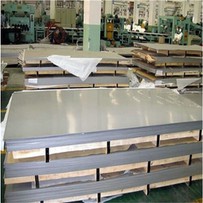


The Annealing ProcessAnnealing AISI 302 involves heating steel to a specified temperature and then cooling at a very slow and controlled rate. Annealing is commonly used to:
Soften a metal for cold working
Improve machinability
Enhance electrical conductivity

Annealing also restores ductility. During cold working, the metal can become hardened to the extent that any more work will result in cracking. By annealing the metal beforehand, cold working can take place without any risk of cracking, as annealing releases mechanical stresses produced during machining or grinding.
Physical Properties
Physical properties for Type 302 stainless steel

| Property | 302 |
| Density, lb/in3 | 0.29 |
| Modulus of Elasticity, psi | 29.0 x 10⁶ |
| Coefficient of Thermal Expansion, 68-212˚F, /˚F | 9.2 x 10⁻⁶ |
| Thermal Conductivity, Btu/ft hr ˚F | 9.4 |
| Specific Heat, Btu/lb ˚F | 0.12 |
| Electrical Resistivity, Microohm-in | 27.4 |
Exposure of the 18-8 austenitic stainless steels to temperatures in the 800°F to 1500°F (427° to 816°C) range may cause precipitation of chromium carbides in grain boundaries. Such steels are “sensitized” and subject to intergranular corrosion when exposed to aggressive environments. The carbon content of Types 302, 304 and 305 may allow sensitization to occur from thermal conditions experienced by autogenous welds are heat-affected zones of welds. For this reason, the low carbon Type 304L alloy is preferred for applications in which the material is put into service in the as-welded condition. Low carbon content extends the time necessary to precipitate a harmful level of chromium carbides, but does not eliminate the precipitation reaction for material held for long times in the precipitation temperature range.
Hot Tags: stainless steel plate types 302, China, suppliers, manufacturers, factory, buy, price, pricelist, for sale, in stock, free sample