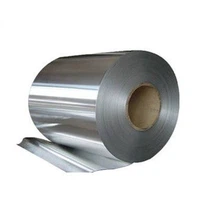
Aluminum foil lunch boxes are a popular choice for takeaway meals. This article explains how their insulation and fragrance-preservation benefits actually work.
1. Heat Retention - The Correct Physics
Aluminum is an excellent conductor of heat (thermal conductivity ≈ 237 W/m·K). Conductivity alone does not retain heat - it would promote heat loss;
Heat retention in a foil container comes from three factors:
Convection blocking: a tightly sealed lid stops warm air from escaping and cold air from entering;
Radiation reflection: the bright aluminum surface reflects thermal radiation back toward the food;
Low thermal mass: the thin foil neither stores nor conducts much heat when the enclosed air layer is sealed.
Result: short-time heat retention - suitable for delivery meals such as soups, stews, salads and desserts over delivery times; not comparable to vacuum-insulated containers for long-duration holding.
2. Fragrance Preservation
Aluminum foil is impermeable to air, moisture and light. The sealed environment locks in the natural aroma and flavour of the food - important for herbs, spices and sauces - until the meal is consumed.
3. Other Benefits
Lightweight and durable; puncture- and leak-resistant for on-the-go meals;
Disposable - no cleaning required, reducing storage and transport burden;
Versatile sizes and shapes for different meals and portions;
Recyclable - aluminium is fully recyclable; effective recycling requires separation of food residues and oils in the collection chain.
4. Food-Contact Compliance Note
Foil containers for food must comply with the applicable food-contact regulations of the destination market (e.g. GB 4806.9 for aluminium food-contact materials in China, EU Regulation 1935/2004 in Europe, FDA requirements in the US). Confirm the foil grade, coating or lamination state and the supplier's compliance documentation before use.