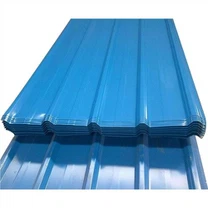
According to the production method, the galvanized sheet can be divided into hot-dip galvanized sheet and electro-galvanized sheet.
Hot-dip galvanizing and electro-galvanizing not only have different coating formation mechanisms and different production processes, but also have different product properties and uses.
What's the Difference between Electro Galvanized and Hot Dipped Galvanized?
1.Introduction
Hot-dip galvanizing is a method of metal corrosion protection. After pretreatment, the electroplated metal or non-metal material is immersed in the liquid metal zinc to make the surface of the steel product adhere to the zinc layer, thereby improving the corrosion resistance of the material and improving the performance of the material.
Cold galvanizing is to form a smooth and dense metal coating through electrolysis to meet the requirements of the surface of metal and non-metal products.
2.Process
The production process of hot-dip galvanizing is as follows: pre-plated parts → degreasing → water washing → pickling → water washing → squeezing → water solvent → drying → galvanizing → cooling → straightening → oiling → packing.
The basic process of electro-galvanization is as follows: pre-plated parts → degreasing → erosion → polishing → galvanizing → hydrogen removal → passivation/dyeing.
3.Cost
Compared with electro-galvanized galvanized steel, hot-dip galvanized steel has the same corrosion resistance, but the production cost of electro-galvanized steel sheet is higher than that of hot-dip galvanized steel.
4.Advantages
Hot-dip galvanized products have the advantages of thick zinc layer, good corrosion resistance, beautiful appearance, conducive to subsequent processing, low production costs, and reduced environmental pollution.
Electro-galvanizing has the advantages of processing formability, better weldability and paintability, better surface quality, and does not change the mechanical properties of the original plate during production.