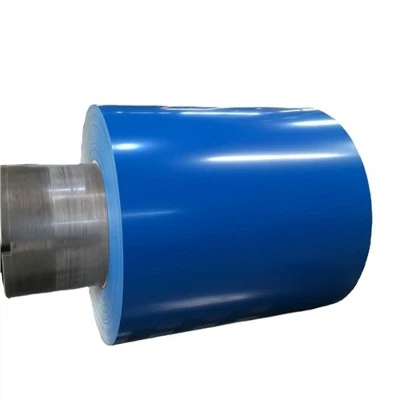
SGCC is hot-dip galvanized steel plate JIS, which is mainly purchased domestically from abroad. S stands for Steel, G stands for Galvanized, C stands for Cold rolled, and C stands for Common grade.

1. Hot dip galvanizing principle:
The iron parts are cleaned, then treated with solvent, dried and then immersed in zinc liquid. The iron reacts with the molten zinc to form an alloyed zinc layer.
2. Process flow: degreasing - water washing - pickling - plating aid - drying - hot dip galvanizing (460°C zinc bath) - separation - cooling passivation.
The thickness of the hot-dip galvanized alloy layer: mainly depends on the chemical composition such as silicon content of the steel, the cross-sectional area of the steel, the roughness of the steel surface, the temperature of the zinc pot, the zinc immersion time, the cooling speed, cold rolling deformation, etc.

3. Structural classification code:
Z-normal regular spangle: Spangle obtained by crystallizing at normal cooling rate and can be used for general purposes;
X-minimized spangle: The cooling speed is specially controlled, and the size of the spangle is smaller than that of normal spangle. It is suitable for painting and other occasions where normal spangle cannot meet the requirements; paint and normal spangle cannot meet the requirements. other occasions;
GZ-finished zinc flower: small zinc flower after smoothing treatment, suitable for deep drawing and ultra-deep drawing processing and occasions with low surface roughness requirements.
4. Processing performance code:
PT-General purpose
JY-mechanical bite
SC-deep drawing
CS-Super deep drawing
JY-structure
5. Zinc layer weight code: Z100, Z200, Z275; the weight of the galvanized layer refers to the total amount of zinc on both sides of the steel plate, expressed in grams of zinc per square meter of steel plate (g/m2), such as Z100 indicating that it contains zinc The amount is not less than 100g/m2.
6.Uses of hot dip galvanizing:
Power towers, communication towers, railways, highway protection, street light poles, marine components, building steel structure components, substation ancillary facilities, light industry, etc.
The anti-corrosion life of hot-dip galvanizing is long, but the anti-corrosion life is different in different environments: 13 years in heavy industrial areas, 50 years in the ocean, 104 years in the suburbs, and 30 years in the city.