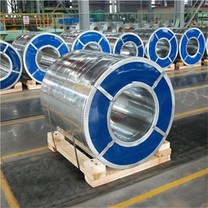
Electrical steel is generally used to make original components of motors and transformers. Motors, transformers and other electrical components are generally required to have high efficiency, low power consumption, small size and light weight.
Electrical steel plates usually use core loss and magnetic induction intensity as the guaranteed magnetic properties of the product. The performance requirements for electrical steel plates are as follows.
Iron and zinc loss (PT)
Iron core loss refers to the ineffective electric energy consumed when the iron core is magnetized under an alternating magnetic field of not less than 50Hz, referred to as iron loss, also called alternating loss, and its unit is W/kg. This ineffective electric energy is consumed due to various obstacles to the change of magnetic flux, and the power is lost through the heating of the iron core. At the same time, it also causes the temperature rise of the motor and transformer.
The iron loss (Pt) of electrical steel includes three parts: hysteresis loss (Ph), eddy current loss (Pe) and abnormal loss (Pa):
(1) Hysteresis loss refers to the fact that during the magnetization and demagnetization process of magnetic materials, factors such as inclusions, crystal defects, internal stress, and crystal orientation in the material hinder the movement of domain walls and hinder the change of magnetic flux, causing the magnetic induction intensity to lag behind the magnetic field. Energy loss caused by the hysteresis phenomenon of intensity changes. That is, domain wall movement is irreversible, resulting in Ph. The Ph value can be calculated based on the DC hysteresis loop area.

(2) Eddy current loss is the energy loss caused by eddy current caused by the local electromotive force induced around the magnetic flux when the magnetic flux changes direction during the alternating magnetization process of the magnetic material according to Faraday's electromagnetic induction law. That is, when the domain wall moves, the magnetization changes rapidly and Pe is produced. The Pe value can be calculated according to the classic eddy current loss formula.
(3) Abnormal loss is the energy loss caused by different magnetic domain structures when the material is magnetized. The measured value of electrical steel plate iron loss Pt is greater than the above calculated value of Ph + Pe, and the difference between the two is the abnormal loss Pa. In non-oriented low carbon electrical steel and medium and low grade silicon steel, Ph accounts for 75% -80% of PT. Due to the high Si content and large grain size of element-oriented high-grade silicon steel, Ph accounts for about 60% of PT, and Pa only accounts for 10% to 13%. The grain size of oriented silicon steel is larger, Ph accounts for about 30%, Pe + Pa accounts for about 70%, and Pa can be 1 to 2 times larger than Pe.
Electrical steel plates have low iron loss, which can not only save a lot of electrical energy, but also extend the operating time of motors and transformers, and simplify cooling devices. The power loss caused by the iron loss of electrical steel plates accounts for 2.5% to 4.5% of the annual power generation in various countries (about 4.5% in the United States).

Because iron losses in transformers and large and medium-sized motors are much greater than copper losses (losses due to wire resistance), iron losses in electrical steel are more important. Countries that produce electrical steel plates always try every possible means to reduce iron loss, and use iron loss as the most important indicator to evaluate the magnetic properties of products, and use the iron loss value of the product as the basis for classifying product brands.