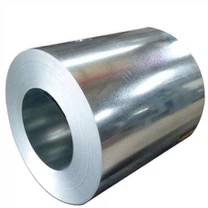
Ultra-high-strength steel sheets for automobile bodies mainly refer to AHSS steels, including: dual-phase steel (DP), transformation-induced plasticity steel (TRIP), complex-phase steel (CP), martensitic steel (MS), etc. This type of steel mainly strengthens the organizational structure through corresponding phase changes to achieve relatively high strength (strength range 500 to 1500MPa), and has high fatigue strength, molding plasticity, collision absorption performance, and high vibration and weight reduction potential. and low planar anisotropy.
Ultra-high strength steel processing technology
The characteristics of new materials will inevitably lead to new processing techniques, and new processing techniques are the fundamental guarantee for the correct use of new materials. At present, the production of ultra-high-strength steel plates for automobiles has the following special processing techniques.

1. Customized plate technology
2. Stamping intelligent technology
3. Hydraulic forming technology
The hydraulic expansion forming of sheet metal parts belongs to internal high-pressure hydraulic forming.
4. Laser forming and laser technology

The laser is irradiated somewhere on the surface of the sheet, and the area is instantly heated to a high temperature. At the same time, the thermal expansion of the heating zone causes the sheet to bend in the opposite direction to the laser source, and then it is formed after cooling, or it is stamped during laser heating. Therefore, laser forming technology is suitable for situations where tools cannot approach due to structural limitations and the punching force is small.
5. Variable pressure side force technology
Traditional constant blank holder force molding is often difficult to control the defects of sheet metal parts such as wrinkling, excessive thickness reduction and cracking. For this reason, it is proposed to set different blank holder forces in the molding stages with different deformation characteristics, and the material can be used. The molding performance can improve the molding quality of parts, thereby improving the product qualification rate.