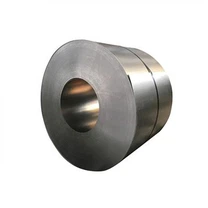
What is GA and GI galvanizing?
GNEE STEEL, a professional steel export company established in 2008, has been committed to providing high-quality steel products and services to customers worldwide for over a decade.
Our main products include galvanized steel coils, galvanized steel sheets, galvanized pipes, steel gratings, and other categories, which are widely used in the construction, transportation, energy, and machinery industries. All products undergo rigorous quality testing and meet international standards.
I. Essential Differences Between GA and GI Galvanizing Processes
1. GI (Galvanized Iron):
- Using an electrogalvanizing process (electrolytic zinc plating), zinc ions are deposited on the steel surface by an electric current. The coating thickness is typically 3-20μm.
- Features: A smooth and uniform surface is achieved, making it suitable for precision parts (such as electronic components), but corrosion resistance is weak and the coating is easily scratched.
2. GA (Galvannealed):
- Using a hot-dip aluminum-zinc alloy coating process (55% aluminum, 43.4% zinc, 1.6% silicon, as per ASTM A792), the coating thickness is 20-150μm.
- Features: The coating and the steel sheet diffuse at high temperatures to form a zinc-iron alloy, resulting in enhanced corrosion resistance (2-3 times higher than GI), but the surface is rough and is primarily used for building exteriors and automotive panels.
In summary: GI is electrogalvanized, while GA is hot-dip aluminum-zinc. The two processes and compositions are completely different.
II. Core Performance Comparison of GA and GI
1. Corrosion Resistance (Salt Spray Test Results):
- GI: White rust appears in approximately 48 hours (ASTM B117).
- GA: White rust appears in 100 hours or more, and aluminum can form a passive film.
2. Cost and Processability:
- GI is lower cost (approximately 15%-20% cheaper than GA), but it is prone to generating zinc vapor during welding.
- GA is high-temperature resistant (can withstand temperatures exceeding 300°C) and is suitable for painting and stamping.
III. How to Choose GA or GI?
- GI: When you need inexpensive, smooth-surfaced components (such as bolts and chassis).
- GA: When you require high weather resistance and long-term outdoor use (such as pre-coated steel substrates).