
What Is Galvanized Sheet?
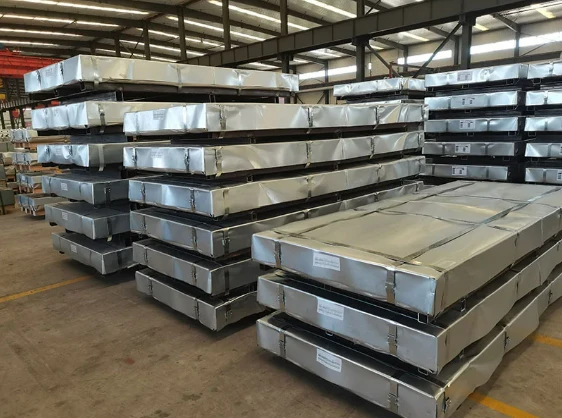
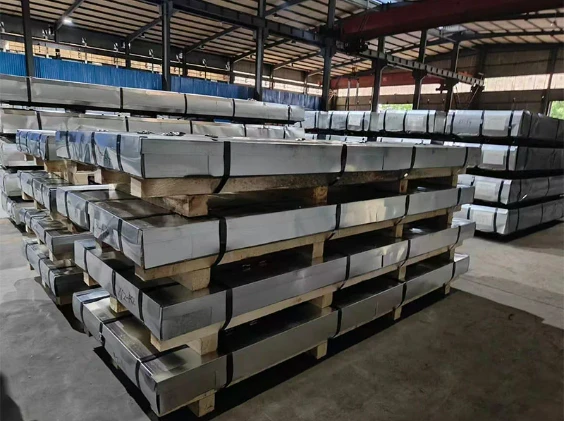
Galvanized sheet refers to a steel sheet coated with a layer of zinc on the surface. Galvanizing is an economical and effective anti-corrosion method - about half of the world's zinc production is used for this process. The zinc coating extends the service life of the steel sheet by protecting it from corrosion and oxidation.

How Galvanizing Protects Steel
Barrier protection: the zinc layer blocks oxygen and moisture from reaching the steel surface.
Sacrificial (cathodic) protection: at scratches, cut edges and damaged areas, zinc corrodes in preference to the exposed steel, protecting it even where the coating is broken.
Galvanizing Methods
Hot-dip galvanizing: the steel is cleaned, fluxed and immersed in molten zinc (about 450 °C); a metallurgically bonded zinc-iron alloy layer plus a pure zinc layer forms. This is the standard method for corrosion-resistant sheet and coil (coating classes typically Z100–Z600 g/m²).
Electro-galvanizing: zinc is deposited electrolytically on the strip; the coating is thinner and more uniform, preferred where surface quality and formability matter, with lower corrosion protection.
Coating Classes and Selection
Coating classes are expressed as the zinc mass per square meter measured on both sides (for example Z100, Z140, Z180, Z275). Choose the class by environment and required life: Z100–Z140 for indoor or mild service, Z180–Z275 for outdoor, industrial or coastal service. Alloy coatings - zinc-iron (galvannealed, GA) and aluminum-zinc (Galvalume-type) - provide additional properties such as paintability and cut-edge protection.
Chemical Composition Requirements
The chemical composition of the substrate is controlled per the applicable standard; national standards generally test carbon, manganese, phosphorus, sulfur and silicon to ensure formability, weldability and coating adhesion.
Applications
Agriculture and infrastructure: agricultural machinery, grain storage, highway guardrails - low cost with high added value.
Construction: roofing, wall panels, purlins, steel-structure supports and protective cladding.
Home appliances and vehicles: appliance shells, vehicle body parts and structural components.
General industry: space structures, transportation and energy equipment, and protective components.
Standards
Galvanized sheet is supplied to national and international standards such as GB/T 2518, EN 10346 and ASTM A653/A653M; select the standard and grade according to the project requirements.
Frequently Asked Questions
Q: What is the difference between galvanized sheet and ordinary steel sheet?
A: Galvanized sheet has a zinc coating that provides barrier and sacrificial corrosion protection, extending the service life of the steel in atmospheric and industrial environments.
Q: How long does a galvanized sheet last?
A: Depends on coating class and environment - Z275 can provide decades of protection indoors and urban service, and 15–30 years in coastal or industrial areas (guideline values).
Q: Can galvanized sheet be welded?
A: Yes, but the zinc coating burns near the weld and produces fumes; remove the coating locally or use appropriate ventilation and re-coat the weld area after welding.
Q: What does Z275 mean?
A: A total zinc coating of 275 g/m² on both sides (about 20 μm per side), the most common class for outdoor construction service.


