
Galvannealed steel is a standout in the vast world of steel grades and finishes. Characterized by its unique satin finish, galvannealed steel is the result of an innovative combination of galvanization and annealing. This process not only gives it a sleek, matte appearance but also imparts a host of functional benefits.
Galvanization and galvannealing are coating processes that involve coating a sheet metal part with zinc. Both are intricate sheet metal fabrication processes used in several industries. However, they have different functions, processes, acceptance, and outlook, which affects their popularity. For example, most people know more about galvanization than galvannealing due to its presence in most chemistry textbooks.
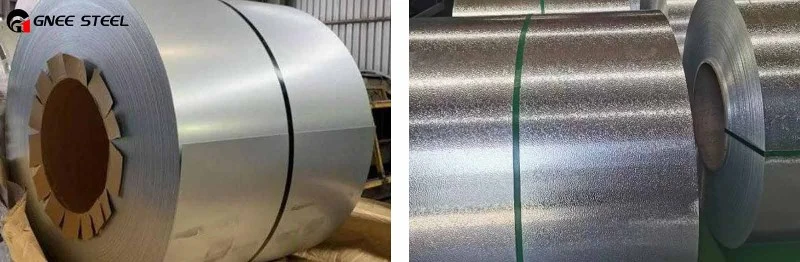
Galvannealed steel has a thinner zinc coating than galvanized steel, but that layer is bonded with the baking process.
Galvannealed steel is used for a wide range of applications where both corrosion resistance and paintability are important factors. It is particularly valued for its ability to adhere well to paint or other coatings. Here are some common uses:
Automotive Industry: Galvannealed steel is widely used in the automotive industry for making parts like body panels, chassis components, and other structural elements. Its corrosion resistance and paint adhesion qualities make it ideal for vehicles exposed to various environmental conditions.
Construction: It finds applications in the construction industry for items like roofing, siding, doors, frames, and other structural components. The combination of corrosion resistance and paintability is valuable in exterior applications.
Appliances: Galvannealed steel is used in the manufacturing of household appliances such as refrigerators, ovens, washing machines, and others. Its ability to accept a durable finish is essential for the aesthetic appeal of appliances.
HVAC Systems: It is utilized for heating, ventilation, and air conditioning systems due to its corrosion resistance and the ease with which it can be painted to match the desired aesthetic.


