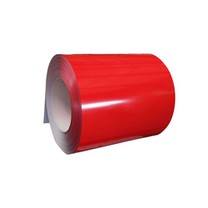
What Are GI Corrugated Steel Sheets?
Galvanized iron (GI) sheets are steel sheets coated with zinc, including a range of hot-dip galvanized and electro-galvanized products. Zinc weathers at a very slow rate, so the coating generally has a long life. Because zinc has a greater electronegativity than iron, it provides cathodic (sacrificial) protection to the steel: if the coating is chipped or damaged to expose the base metal, the zinc corrodes in preference to the steel, protecting it.
The Corrugated Profile
GI corrugated sheet is a construction material ideal for roofing. It is made from hot-dipped galvanized metal, cold-rolled into a corrugated profile that increases bending strength and rigidity. The most common profile is the small-wave type with a wave depth of about 18 mm and a wave spacing of about 76 mm (YX18-76 class), typically with 9–12 corrugations per sheet.
Typical Specifications (Indicative)
| Item | Typical Range |
|---|---|
| Standards | GB/T 2518, ASTM A653/A653M, JIS G3302, EN 10143 (current editions) |
| Base material | Cold-rolled steel coil, hot-dip galvanized steel coil |
| Zinc coating | Z30–Z275 g/m² |
| Thickness | Commonly 0.3–0.8 mm (thinner available by order) |
| Width | 750–1250 mm before corrugation; 600–1100 mm after corrugation |
| Wave depth / distance | 18 ± 2 mm / 76 ± 2 mm |
| Length | 1000–11800 mm |
| Corrugations | 9–12 |
Request Latest Steel Price Today
Features
Water resistance and weather resistance from the zinc coating
Light weight, easy handling and installation
High tensile strength relative to weight
Recyclable material
Available in a range of zinc classes to suit different environments
Applications
GI corrugated sheets are used for exterior and interior walls, roofs and soffits - roofing and cladding of warehouses, farm buildings, industrial plants and residential structures.
Frequently Asked Questions
Q: What does GI stand for?
A: Galvanized iron - steel sheet coated with zinc, either by hot-dip galvanizing or electro-galvanizing.
Q: How does the zinc coating protect the steel?
A: By barrier protection (the zinc layer blocks moisture) and cathodic (sacrificial) protection - zinc corrodes in preference to the exposed steel at scratches and cut edges.
Q: What is the difference between hot-dip and electro-galvanized corrugated sheets?
A: Hot-dip galvanizing gives a heavier, more durable coating (typically Z180–Z275) for outdoor roofing; electro-galvanizing gives a thin coating for indoor or mild service.
Q: What thickness is commonly used for roofing?
A: Typically 0.3–0.8 mm depending on the span and load; the corrugation adds stiffness so thin sheets can carry practical roofing loads.