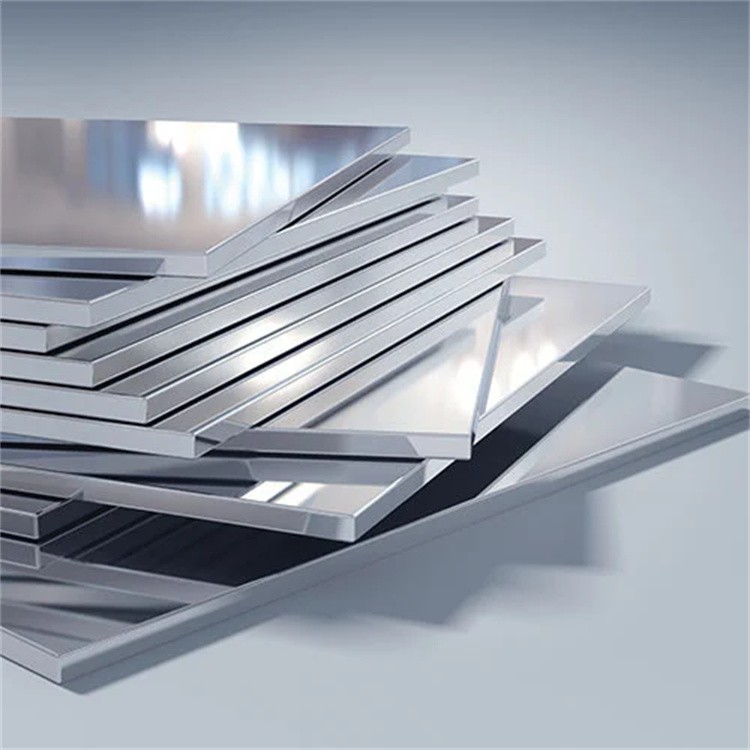



In the world of aluminum manufacturing, two commonly used alloys are 5052 and 6061. While both alloys are aluminum plates and share many similarities, there are some key differences between them that make each alloy unique.
One of the biggest differences between the two alloys is their composition. 5052 aluminum plate is a magnesium alloy, while 6061 aluminum plate is a magnesium-silicon alloy. The addition of silicon in 6061 aluminum plate gives it greater strength and heat resistance compared to 5052 aluminum plate.
Another notable difference between the two alloys is their surface finish. 6061 aluminum plate has a smoother surface finish, making it more suitable for decorative applications such as trim pieces or architectural panels. 5052 aluminum plate, on the other hand, has a slightly duller surface finish that is better suited for industrial applications where appearance is not a primary concern.
Ultimately, the choice between 5052 and 6061 aluminum plate will depend on the specific application and requirements. Both alloys have their own strengths and weaknesses, and manufacturers must carefully consider their needs before selecting the appropriate material for their project.