
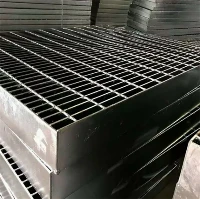
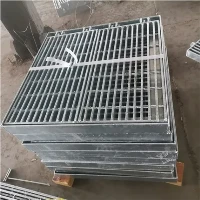


Zinc-coated Steel is widely used because of its many advantages:
Corrosion Resistance: The main feature of galvanized steel is its excellent corrosion resistance. The galvanized layer can form a protective layer on the surface of the steel, effectively isolating the steel from the external environment and preventing chemical reactions between the steel and the external environment, thereby extending its service life.
Strength and toughness: Zinc-coated Steel not only has excellent corrosion resistance, but also maintains the strength and toughness of original steel, making it ideal for use under high loads and harsh conditions.
Environmentally Friendly: The galvanizing process itself is environmentally friendly because it does not use harmful chemicals. Moreover, the durability of galvanized steel means less resource consumption and waste generation, which is in line with the concept of sustainable development.

Multifunctional applications: Zinc-coated Steel sheets can be made into various shapes according to different requirements, including pipes, plates, profiles, etc., and are widely used in construction, transportation, agriculture, energy and other fields.
Common Types of Zinc-coated Steel
Hot-dip galvanized steel: This is one of the most common types of galvanized steel. Hot-dip galvanized steel sheet is made by immersing the steel sheet in molten zinc to form a thick zinc layer on the surface of the steel sheet. This type of steel has good corrosion resistance and long service life, and is widely used in building roofs, walls, vehicle manufacturing, etc.

Hot-dip galvanized steel pipe: Hot-dip galvanized steel pipe is made by dipping the steel pipe in molten zinc. This kind of steel pipe not only has good corrosion resistance, but also maintains high strength and rigidity during use, so it is widely used in water supply and drainage pipelines, oil and gas transportation, etc.
Electroplated galvanized steel: Electroplated zinc is made by immersing steel in an electrolyte and using electric current to deposit zinc ions on the surface of the steel to form a zinc layer. Compared with hot-dip galvanized steel, electro-galvanized steel has a smoother and more uniform surface, making it suitable for applications that require high appearance standards, such as furniture manufacturing, automotive parts, etc.
Aluminum-zinc alloy-coated steel: Aluminum-zinc alloy-coated steel is added with a certain proportion of aluminum and zinc in the hot-dip galvanizing process to form an aluminum-zinc alloy coating. This kind of steel combines the advantages of aluminum and zinc, has good corrosion resistance and heat reflectivity, and is widely used in building roofs, walls, etc.
Different types of galvanized steel and their applications
Galvanized steel pipe: Galvanized steel pipe is a product made by bending and welding steel strips, and then hot-dip plating or electroplating. They are used in water, gas and heating pipes in buildings, as well as in transport systems in the industrial sector.
Galvanized steel sheet: Galvanized steel sheet is a product with zinc coating on the surface. Used in building roofs, walls, manufacturing home appliances, automobile manufacturing, shipbuilding, etc.
Galvanized profiles: Galvanized profiles include various shapes of steel such as angle steel, channel steel, H-shaped steel, etc. These profiles are widely used in building structures, machinery manufacturing, bridge construction and other fields.
Galvanized Bolts and Nuts: These bolts and nuts are used to join buildings, machinery and electrical equipment, providing reliable fastening and corrosion protection.
Other applications: galvanized steel wire, galvanized steel pipe fittings, galvanized steel strips, etc., are also widely used in different fields, such as agricultural greenhouse construction, power transmission lines, communication equipment, etc.
Galvanized steel is widely used in various fields due to its excellent corrosion resistance, strength and toughness, and versatile uses. Hot dip galvanizing and electroplating are common galvanizing processes used to produce different types of galvanized steel. With the development of technology and changing needs, the application prospects of galvanized steel will become broader.


