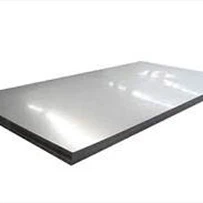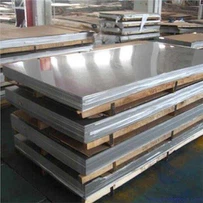
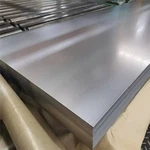


Alloy316L resists atmospheric corrosion, as well as, moderately oxidizing and reducing environments. It also resists corrosion in polluted marine atmospheres. The alloy has excellent resistance to intergranular corrosion in the as-welded condition. Alloy 316L has excellent strength and toughness at cryogenic temperatures.


Chemical Analysis
Weight % (all values are maximum unless a range is otherwise indicated)
| Element | 316L |
|---|---|
| Chromium | 16.0 min.-18.0 max. |
| Nickel | 10.0 min.-14.0 max. |
| Molybdenum | 2.00 min.-3.00 max. |
| Carbon | 0.030 |
| Manganese | 2.00 |
| Phosphorus | 0.045 |
| Sulfer | 0.03 |
| Silicon | 0.75 |
| Nitrogen | 0.1 |
| Iron | Balance |

Fabrication Data
Alloy 316/316L can be easily welded and processed by standard shop fabrication practices.
Hot Forming
Working temperatures of 1700 – 2200°F (927 – 1204°C) are recommended for most hot working processes. For maximum corrosion resistance, the material should be annealed at 1900°F (1038°C) minimum and water quenched or rapidly cooled by other means after hot working.
Cold Forming
The alloy is quite ductile and forms easily. Cold working operations will increase the strength and hardness of the alloy and might leave it slightly magnetic.
Machining
Alloy 316/316L is subject to work hardening during deformation and is subject to chip breaking. The best machining results are achieved with slower speeds, heavier feeds, excellent lubrication, sharp tooling and powerful rigid equipment.
Hot Tags: 316l plates, China, suppliers, manufacturers, factory, buy, price, pricelist, for sale, in stock, free sample