FAQ
1. What is cold rolled steel?
Cold rolled steel is steel that has been processed below recrystallization temperature (room temperature), resulting in improved surface finish, tighter tolerances, and stronger mechanical properties compared with hot rolled steel. Cold rolling compresses and elongates the steel, producing a clean surface and precise shape ideal for high-quality components.
2. What is the difference between cold rolled steel and hot rolled steel?
Compared with hot rolled steel, cold rolled steel offers:
Better surface finish and smoother appearance
Tighter dimensional tolerances
Higher strength due to work hardening
Better precision for forming and machining
However, cold rolled steel typically costs more due to additional processing steps.
3. Why is cold rolled steel stronger than hot rolled steel?
Cold rolled steel undergoes compression and work hardening at room temperature without shrinkage, which increases strength by up to about 20% compared to hot rolled steel of the same chemistry. This makes it suitable for precision parts and structural components requiring higher strength.
4. What are common forms of cold rolled steel products?
Cold rolled steel products are typically supplied as:
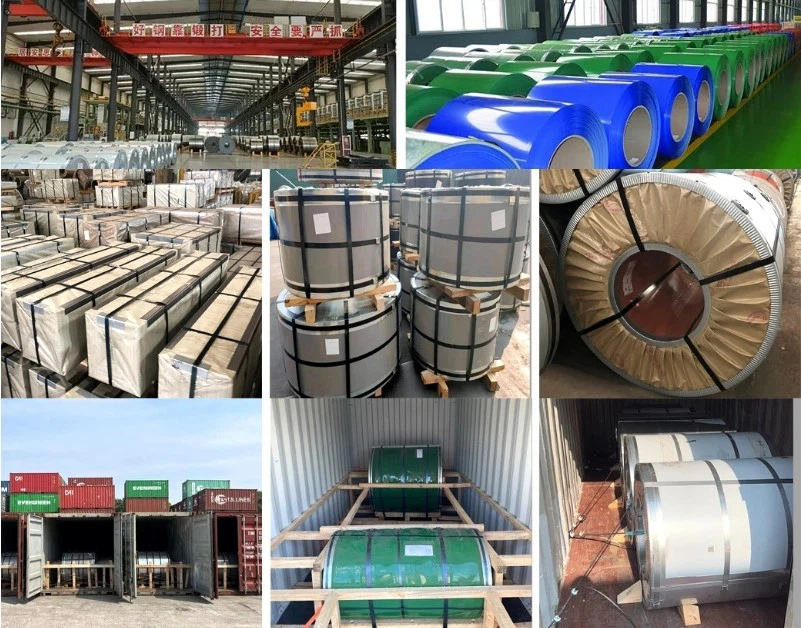
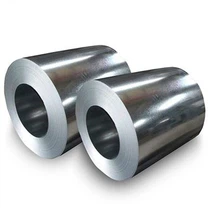
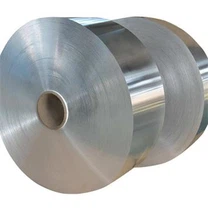
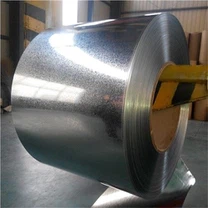
Cold rolled steel coil
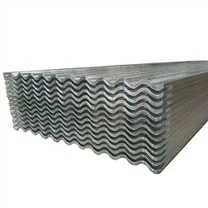
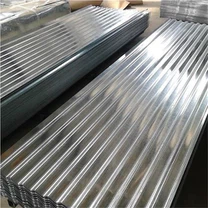
Cold rolled steel sheet
Cut-to-length cold rolled steel plates
These forms support various manufacturing processes like cutting, stamping, bending, and deep drawing.
5. What are typical applications of cold rolled steel?
Cold rolled steel is widely used where precision, surface quality, and formability are important, including:
Automotive components (body panels, frames)
Household appliances (refrigerators, washers)
Electronic enclosures and cabinets
Office furniture and shelving
Machinery parts requiring precise tolerances
6. What grades of cold rolled steel are most common?
Common cold rolled steel grades used in international trade include:
DC01
DC03
DC04
DC05
Each grade offers different balance between formability, strength, and surface finish, suitable for specific forming applications.
7. What are the basic chemical characteristics of low carbon cold rolled steel?
Low carbon cold rolled steel typically has:
Low carbon content (around 0.10% or less)
Controlled manganese content
Very low phosphorus and sulphur
This low alloy composition ensures good weldability, ductility, and surface finish for forming applications.
8. Why does cold rolled steel have better surface finish?
The cold rolling process is done after pickling and surface preparation, so the steel sheet or coil has no scale and a smooth, uniform surface. This makes it ideal for direct painting, coating, and precision fabrication.
MWalloys
9. Can cold rolled steel be welded and formed?
Yes. Cold rolled steel generally offers good formability and weldability. Different grades (e.g., DC03 versus DC05) offer various levels of elongation and deep drawing performance to meet specific forming requirements.
10. What should I consider when choosing cold rolled steel grade?
Important factors include:
Forming complexity (simple bending vs deep drawing)
Surface finish requirements
Mechanical strength needed
Thickness tolerance and dimensional precision
Weldability and downstream processing needs
Different grades (DC01, DC03, DC04, DC05) are optimized for different combinations of those requirements.