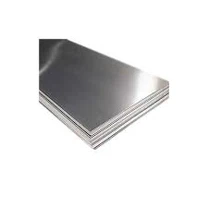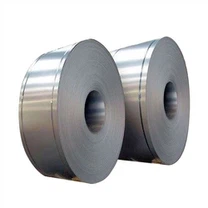


As the jacket of the fiber optic cable, the conductivity of the aluminum foil can test the integrity of the cable connection, acting as a "tracer" for the fiber optic cable.
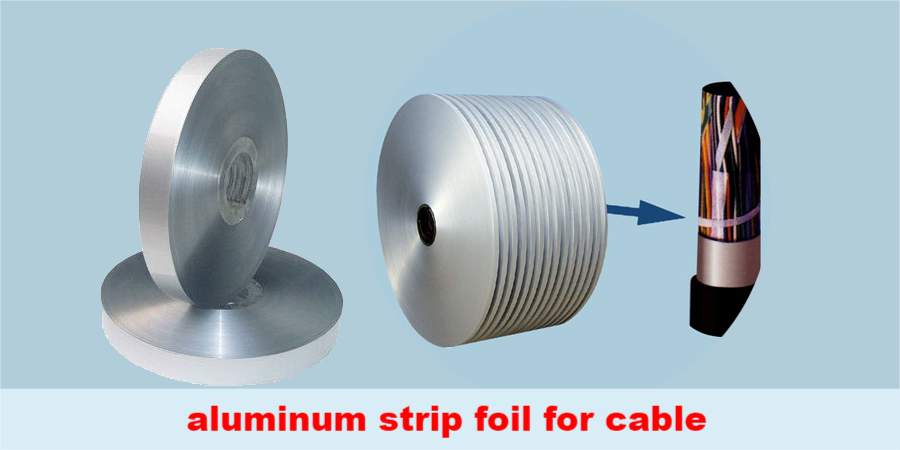
Technical Specifications About Aluminum Foil For Cable
Thickness: 0.008-0.2mm
Width: 250-1200mm
Alloy: 8011, 1050, 1060, 1235
Lighter in weight and more cost-effective than copper.
Processing method: aluminum plastic composite is processed into a narrow strip
Thicker film substrates provide higher dielectric and tensile strength. Thicker foil substrates provide higher conductivity and tensile strength, and lower signal attenuation.Tips: product width size is divided according to customers’ needs.The cable foil requires less oil on the surface, no holes, high mechanical properties, low overall quality requirements, but extremely strict length requirements.
| Alloy | Temper | Thickness(mm) | Width(mm) | I.D.(mm) | O.D.(mm) | Thickness Tolerance(%) | Length | Lightness |
| 1050 | O | 0.01-0.3 | 300 | 76 | 500 | ≤5 | COIL | ≤60 |
| 1060 | O | 0.01-0.3 | 300 | 76 | 500 | ≤5 | COIL | ≤60 |
| 8011 | O | 0.01-0.3 | 300 | 76 | 500 | ≤5 | COIL | ≤60 |
The Working Principle Of Aluminum Foil For Cables
Foil shielding is an important way of shielding cables by wrapping the cable with a thin layer of aluminum foil and polyester backing for increased durability. The foil shield works in series with a tinned copper drain wire to ground the shield.