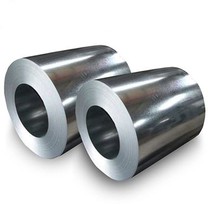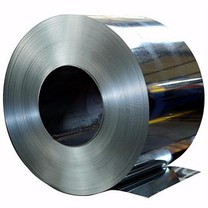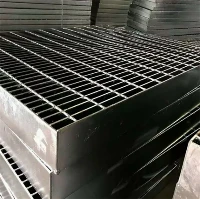
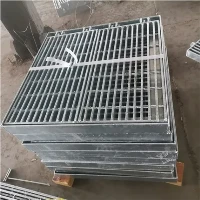


Galvanized sheets are prone to cracks before welding. How can such a situation occur? Therefore, we must first understand the reasons for cracks to find the cause and avoid accidents.
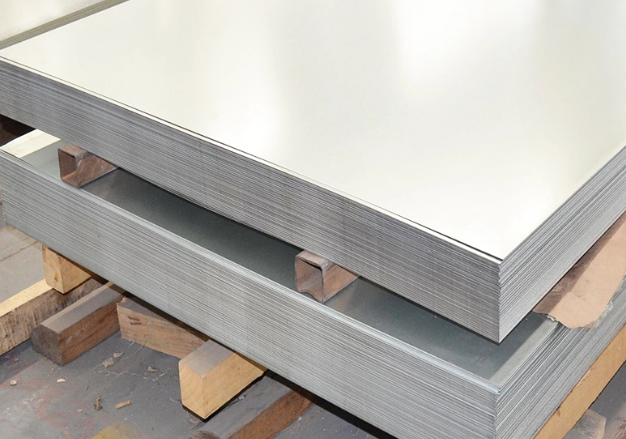
The zinc layer around the galvanized steel weld causes oxidation (producing ZnO) and volatilization under the action of arc heat, and volatilizes to emit white dust and steam, thus forming vents during welding. The greater the welding current, the more serious the volatilization of zinc, and the greater the sensitivity of the vent. When welding with titanium type or titanium calcium type welding wire, vents will not be easily formed within the medium current range. When welding with methylcellulose type and low hydrogen type welding wires, air vents are easily formed under both small and large currents. The other welding wire angle should be controlled within the range of 40° to 75° as much as possible.

Secondly, when arc welding is used to weld galvanized steel sheets, the zinc layer around the molten pool is oxidized into ZnO under the action of arc heat and volatilizes, producing a large amount of dust. Therefore, good natural ventilation measures must be adopted. Under the same welding conditions, the amount of dust generated when welding with titanium oxide type welding wire is lower, while the amount of dust generated when welding with low hydrogen type welding wire is large.
The welding current of galvanized steel welding is relatively high, and the ZnO produced during the heating process is not easy to escape, which can easily cause ZnO welding tumors. ZnO is stable and has a melting point of 2500°C. Large and small pieces of ZnO welding nodules have a very negative impact on welding plastic deformation. When titanium oxide welding wire is used, ZnO is finely distributed and has little impact on plastic deformation and strength. When using methylcellulose type or hydrogen type welding wire, the ZnO in the welding is large and more, and the welding characteristics are poor.