
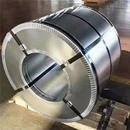


Electrical grade steel, also known as electrical steel or silicon steel, is a type of steel specifically designed to have low iron loss and high magnetic permeability. It is used in the production of magnetic cores for transformers, motors, generators, magnetic bearings, and other electrical equipment. Electrical grade steel is usually made from low carbon steel with a small amount of silicon added to improve its magnetic properties. Overall, electrical grade steel is a key material for the efficient and reliable operation of electrical equipment, and its properties are carefully controlled and optimized to meet the specific requirements of each application.
The magnetic permeability of iron is thousands to tens of thousands of times higher than that of air, and the addition of silicon to iron can further increase the maximum magnetic permeability of iron, produce a stronger magnetic field during magnetization, and at the same time reduce losses and improve the generation, transmission and use of electrical energy efficiency, so silicon and iron as the main constituent elements of the production of electrical steel is mainly used as a core material is widely used in the electric power, electronics, aerospace, military industry and other industries.

Steel is a versatile and widely used metal alloy composed primarily of iron, with a small percentage of carbon and other elements. It is one of the most essential materials in modern industry and construction due to its remarkable strength, durability, and versatility.
The difference between the two:
Steel is a versatile metal alloy that consists mainly of iron and small amounts of carbon and other elements. Due to its strength and durability, it is widely used in construction, automotive and various industries. On the other hand, electrical steel is a type of steel specifically designed for electrical applications. It has unique magnetic properties that allow it to conduct and convert electricity efficiently, which is vital for equipment such as transformers and electric motors. While both are steels, electrical steel has special magnetic properties that meet the needs of the electrical industry, setting it apart from traditional steels used for structural applications.
What is electrical steel used for?
Electrical steel, also known as silicon steel or electrical grade steel, is primarily used in the production of magnetic cores for electrical equipment. The magnetic properties of electrical steel make it an ideal material for equipment that needs to efficiently and reliably convert electrical energy into mechanical energy or vice versa. Some of the most common applications for electrical steel include:
Transformers: Electrical steels are used to make the cores of transformers, which are essential components in power generation, transmission and distribution systems. Transformers rely on the magnetic properties of electrical steel to efficiently transfer electrical energy from one voltage level to another.
Electric motors: Electrical steels are used to make the cores of electric motors, which are used in a wide range of applications, from household appliances to industrial machinery. Electric motors rely on the magnetic properties of electrical steel to convert electrical energy into mechanical energy.
Generators: Electrical steel is used to make the cores of generators, which convert mechanical energy into electrical energy. The magnetic properties of electrical steel are essential for the efficient operation of the generator.
Magnetic Bearings: Electrical steel is also used to make cores for magnetic bearings, which are used in high-speed mechanical equipment to reduce friction and wear. Magnetic bearings rely on the magnetic properties of electrical steel to keep the rotor stable and in precise position.


