


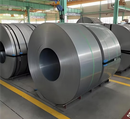
Electrical steel refers to the ultra-low carbon silicon-iron alloy with silicon content of 0.5% ~ 6.5%, which belongs to soft magnetic materials. Electrical steel according to different production processes, can be divided into hot-rolled and cold-rolled two kinds, with the development of technology, hot-rolled electrical steel has been basically replaced by cold-rolled electrical steel. Cold rolled electrical steel according to the grain arrangement of directionality can be divided into non-oriented electrical steel and oriented electrical steel. By controlling the direction of rolling and the use of recrystallization process with Gaussian structure of electrical steel production is called oriented electrical steel; grain orientation degree is small, in the surface of the steel plate on the magnetic anisotropy of the electrical steel is called non-orientation electrical steel.
Electrical steel is an alloy containing iron and silicon. It can consist of up to 15% silicon, depending on what the end product is. Also known as transformer steel, this steel is often used to make transformer cores as well as stators for generators and motors. It is also efficient at retaining heat so that high temperatures do not affect the performance of items such as power lines and manufacturing machinery, where lower temperatures are important in order to improve energy efficiency and equipment life.

Electrical steel is made of silicon, which helps in retaining heat due to the entrapment of silicon, thus avoiding heat loss in electrical steel. This increases the resistivity within the steel, which prevents magnetic eddy currents that cause escaping heat to build up. Properties are also improved when larger grain sizes are used to produce silicon steel. The steel is heat-treated during production for the task of creating larger grain sizes. The grain structure itself can be oriented to suit a particular task Silicon steel, the grains all point in one direction, which means that the molecules face the same polar orientation.
Electrical steel produces a stable magnetic field, making it safe for use in power transformers and other applications that require stable electromagnetism Unoriented silicon steel can be used when the desired magnetic properties require a lower structure, such as in electric motors or generators.
Electrical steels are sold in grades, each determined by the level of heat loss from the core. An example of this steel grade is M19, which has relatively low losses and is therefore suitable for use in motion control systems. High loss steels are available in the grade M43 and are not necessarily heat treated or annealed to reduce the stresses placed on the material during the production process The properties of electrical steels are further enhanced by insulation. An oxide coating can be applied during the milling process, although this is the cheapest method of insulation and the coating does not withstand the stresses well. Enamel or varnish coatings provide good insulating properties, but heat treatment of the product after manufacture is not possible. Higher grades of coatings are more versatile and can withstand higher temperatures, but can cause excessive wear on the tools used if the insulation is strong enough to be used for machining steel.


