Can ZAM Steel Replace Stainless Steel?
Zinc-Aluminum-Magnesium (ZAM) steel can successfully replace 300-series and 400-series stainless steel in many structural, solar, and atmospheric applications, offering comparable corrosion resistance at a significantly lower total project cost. While stainless steel relies on its entire alloy composition for protection, ZAM steel utilizes a revolutionary ternary alloy coating that provides "self-healing" properties and extreme durability in saline and alkaline environments. At GNEE STEEL, we have helped numerous global clients transition from expensive stainless steel to high-performance ZAM, achieving cost savings of 30% to 50% without compromising the 25-year design life of their infrastructure.
Here is the professional English version of the comparison table, optimized for GNEE STEEL's official website. It uses industry-standard terminology and focuses on technical superiority to drive high conversion.
-
Comparative Analysis: ZAM Steel vs. Stainless Steel
| Feature | Zinc-Aluminum-Magnesium (ZAM) | Stainless Steel (304/316 Series) |
| Protection Mechanism | Active Ternary Alloy Barrier + Electrochemical Sacrificial Protection + Self-Healing Film | Passive Oxide Layer (Chromium-rich passivation film on the surface) |
| Edge & Scratch Protection | Exceptional (Self-Healing). Mg-ions migrate to cover exposed steel, automatically repairing cuts. | Vulnerable. If the passive layer is breached or oxygen is restricted, pitting and crevice corrosion occur. |
| Alkaline & Ammonia Resistance | Superior. Highly resistant to high-pH environments, ideal for livestock and chemical zones. | Variable. Specific alkaline conditions can destabilize the passive film in certain grades. |
| Structural Strength | High. Available in structural grades (e.g., S450GD/S550GD), enabling lightweight designs. | Moderate. Excellent ductility, but common grades have lower yield strength than high-tensile ZAM. |
| Workability & Tooling | Excellent. Easy to roll-form, punch, and bend; significantly lower wear on manufacturing dies. | Challenging. Prone to work-hardening; requires specialized high-wear tooling and higher energy. |
| Surface Hardness (Vickers) | 120–160 HV. Highly resistant to mechanical abrasion and installation scratches. | 150–200+ HV. Extremely high base metal hardness throughout the substrate. |
| Initial Procurement Cost | Economical. Generally 40%–60% lower than 300-series stainless steel. | Premium. Highly sensitive to global Nickel and Chromium price volatility. |
| Total Lifecycle Cost (TCO) | Minimal. Offers a 30-year maintenance-free life with the best ROI in the industry. | High. While durable, the extreme initial investment extends the payback period significantly. |
1. Corrosion Resistance: Is ZAM as Durable as Stainless Steel?
In atmospheric and high-chloride environments, ZAM steel exhibits a corrosion rate comparable to 304 stainless steel due to the formation of a stable Simonkolleite mineral layer. Stainless steel remains the gold standard for immersion in strong acids or food-grade hygiene; however, for outdoor structural use, ZAM provides an equivalent barrier.
ZAM's coating-composed of Zinc, 1.5%–11% Aluminum, and 1.5%–3% Magnesium-creates a chemically inert surface. Accelerated Salt Spray Tests (SST) conducted under ISO 9227 show that ZAM can withstand over 3,000 hours of exposure with zero red rust, matching the performance of standard stainless steel grades in C4 and C5 corrosive zones.
2. The Cost-Benefit Analysis: Why ZAM is the Economic Winner
ZAM steel offers a superior return on investment (ROI) compared to stainless steel by providing high-level protection at a fraction of the raw material cost. In 2026, the price volatility of Nickel and Chromium often makes stainless steel budgeting unpredictable for large-scale projects.
Lower Initial Investment: ZAM steel is generally priced much closer to carbon steel than to the premium rates of the 300-series stainless steel.
Structural Efficiency: ZAM is available in high-strength structural grades (e.g., S350GD, S450GD), whereas many common stainless steels have lower yield strengths, requiring thicker sections to support the same load.
Processing Savings: ZAM is easier to roll-form and punch than many stainless steel grades, reducing tool wear and manufacturing energy consumption at the factory level.
3. The Self-Healing Advantage: Outperforming Stainless at the Cut Edge
Unlike stainless steel, which can suffer from localized pitting or crevice corrosion if the passive layer is compromised, ZAM steel possesses a "self-healing" mechanism that protects sheared edges and drill holes. When stainless steel is scratched or cut in a high-chloride environment, it remains vulnerable at that specific site unless it is a high-molybdenum grade like 316.
With ZAM steel, the Magnesium-rich coating chemically migrates across the exposed steel cross-section. This "healing" process creates a protective alkaline film over the bare steel within a short period. For solar mounting systems or HVAC units that require thousands of perforations, ZAM ensures that the edges are protected automatically, eliminating the need for post-processing or the high cost of stainless steel fasteners.
4. Alkaline and Ammonia Resistance: Where ZAM Surpasses Stainless
ZAM steel provides superior resistance in alkaline and ammonia-rich environments, making it a better choice than many stainless steel grades for agricultural and livestock applications. High levels of ammonia-common in poultry and swine farming-can cause stress corrosion cracking in certain stainless steels.
ZAM's specific chemical balance allows it to maintain a stable protective layer in pH environments that would strip the passive film from 400-series stainless steel. This makes GNEE STEEL's ZAM products the preferred choice for:
Coastal Industrial Plants: Where salt and chemical vapors coexist.
Livestock Housing: Where high ammonia concentrations are present.
Greenhouse Frames: Where constant humidity and fertilizer runoff are factors.
5. Strength and Hardness: Structural Integrity in Extreme Winds
ZAM steel is significantly harder than standard galvanized steel and offers structural yield strengths that exceed many common stainless steel varieties. On the Vickers hardness scale, ZAM coatings typically measure 120–160 HV, providing excellent resistance to the abrasive "sandblasting" effects of wind-borne sand in desert or coastal regions.
For structural engineers, the ability to specify ZAM in high-tensile grades means that the overall weight of the structure can be reduced. This "Lightweighting" lowers shipping costs and simplifies foundation requirements, further widening the price gap between a ZAM-based solution and a traditional stainless steel design.
While stainless steel remains essential for specialized chemical and food-processing industries, ZAM steel is the most cost-effective and durable replacement for structural applications in 2026. Its combination of self-healing properties, extreme salt-spray resistance, and structural versatility makes it the logical choice for the next generation of infrastructure.
At GNEE STEEL, we don't just sell metal; we provide engineered solutions. Contact our technical department today to compare the specifications of ZAM against your current stainless steel requirements and receive a competitive, market-linked quote.
-
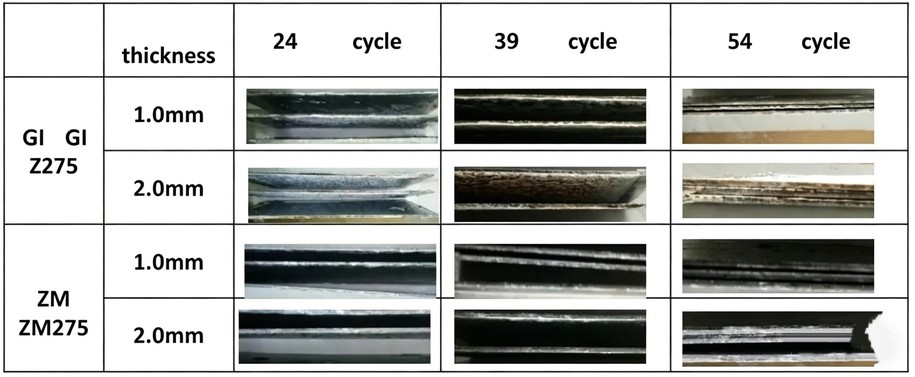
Zinc-Aluminum-Magnesium Test Comparison
Frequently Asked Questions (FAQ)
1. Can ZAM steel truly last as long as 304 stainless steel?
In atmospheric conditions (C3 to C5-M), ZAM steel can provide a service life of 30 to 50 years, which matches the functional requirements of most infrastructure projects currently using 304 stainless steel. However, for continuous immersion in liquids or strong acids, stainless steel is still recommended.
2. Is ZAM steel easier to weld than stainless steel?
Yes. ZAM steel is generally more compatible with standard carbon steel welding processes. While it contains aluminum and magnesium, it does not require the specialized inert gas setups or the high-cost filler metals often associated with high-quality stainless steel welding.
3. Does ZAM steel rust at the drill holes?
No. This is one of ZAM's primary advantages over both stainless and traditional galvanized steel. The Magnesium in the coating migrates to the hole and forms a protective "self-healing" layer, preventing red rust from forming at the point of perforation.
4. How much can I save by switching from stainless steel to ZAM?
While prices vary based on market conditions, clients typically see a reduction in material costs of 30% to 60%. When you factor in the easier processing and higher structural strength, the total project savings can be even higher.
5. Which industries are leading the switch to ZAM?
The solar energy industry is currently the largest adopter, replacing stainless steel racking with ZAM. It is also rapidly gaining ground in the automotive, agricultural (livestock housing), and coastal construction sectors due to its superior cost-to-performance ratio.