What Is C Channel Steel in Solar Mounting Systems?
C Channel steel is the primary structural component used in solar mounting systems, providing the necessary load-bearing capacity and modular flexibility to support PV modules for 25 to 30 years. Known for its distinctive "C" shaped cross-section, this cold-formed steel profile is engineered to optimize the weight-to-strength ratio, reducing total steel consumption by up to 20% compared to traditional hot-rolled I-beams. At GNEE STEEL, we manufacture high-precision C Channels using advanced Zinc-Aluminum-Magnesium (ZAM) and Hot-Dip Galvanized coatings, ensuring that solar arrays remain stable under extreme wind loads and corrosive environments.
1. What Are the Technical Specifications of Solar C Channels?
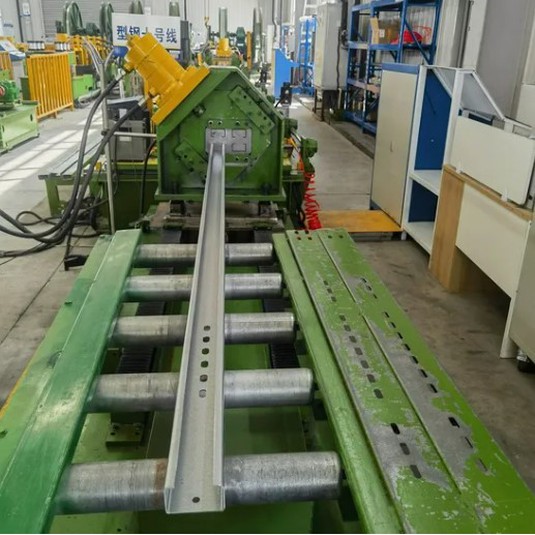
Standard solar C Channels are manufactured through cold-roll forming to achieve precise dimensions and high-tensile strength, typically ranging from S235JR to S450GD grades. The geometry of the C Channel-comprising a web, two flanges, and often two return lips (stiffeners)-is specifically designed to resist bending moments and torsional forces.
Common Dimensions: Web heights generally range from 80mm to 300mm, with flange widths between 40mm and 80mm.
Thickness Precision: Most solar racking applications utilize thicknesses from 1.5mm to 3.5mm, striking a balance between structural rigidity and material cost-efficiency.
Hole Patterns: To facilitate rapid on-site assembly, C Channels are often pre-punched with elongated or circular holes, allowing for adjustable bolting and thermal expansion.
2. Why Is C Channel Steel Preferred Over Other Profiles?
C Channel steel offers unparalleled modularity and ease of installation, significantly lowering the Levelized Cost of Energy (LCOE) by reducing on-site labor hours. Unlike closed profiles (like square tubes), the open face of the C Channel allows for easy access to fasteners and integrated cable management within the "trough" of the profile.
Torsional Stability: When used in pairs or as part of a braced frame, C Channels provide excellent resistance against the uplift forces caused by high-velocity winds.
Cable Integration: The interior space of the channel serves as a natural conduit for DC wiring, protecting cables from direct UV exposure and mechanical damage.
Weight Efficiency: Cold-forming allows for thinner walls without sacrificing the moment of inertia, leading to a structure that is easier to transport and install on remote solar farm sites.
3. Which Coating Is Best for Solar C Channels?
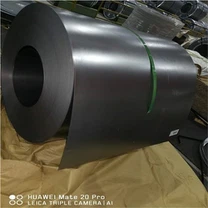
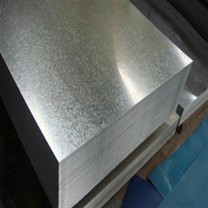
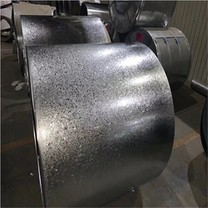
Zinc-Aluminum-Magnesium (ZAM) is rapidly replacing traditional Hot-Dip Galvanizing (HDG) as the preferred coating for C Channels due to its superior "self-healing" properties at punched hole sites. Because solar mounting involves thousands of cuts and holes, protecting these exposed edges is critical to preventing premature structural failure.
ZAM Performance: ZAM-coated C Channels can withstand over 3,000 hours of salt spray testing (SST), offering up to 10 times the corrosion resistance of standard GI in coastal (C4/C5) zones.
HDG Reliability: For inland projects with moderate corrosivity, Hot-Dip Galvanizing remains a robust and cost-effective choice, providing a thick zinc barrier that protects the steel for decades.
Edge Protection: While HDG provides sacrificial protection, ZAM's magnesium-rich layer chemically migrates to "heal" the sheared edges of the channel, eliminating the need for on-site touch-up painting.
4. Applications of C Channels in Solar Project Engineering
C Channels serve as the versatile "building blocks" for various solar structures, including ground-mount racks, solar carports, and tracking system torque tube supports. Their adaptability makes them suitable for nearly every terrain and environmental condition.
Ground-Mount Piles: Heavy-duty C Channels are driven directly into the soil or set in concrete to serve as the vertical foundation posts.
Horizontal Purlins: Lighter-gauge C Channels are used as horizontal rails to which the solar panels are directly clamped.
Solar Carports: Large-span C Channels provide the structural framework for elevated carports, spanning multiple parking spaces while supporting heavy PV loads.
Tracker Supports: In single-axis trackers, C Channels are utilized as the fixed "A-frame" supports that hold the rotating torque tubes in place.
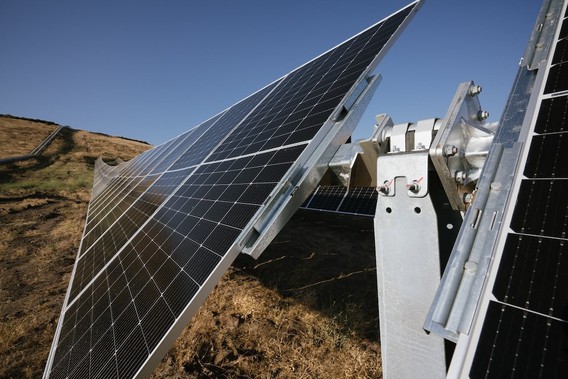
Solar PV Mounting Bracket
5. Pricing and Market Trends for C Channel Steel in 2026
The price of solar C Channel steel is influenced by the global steel index, the specific grade of raw material (e.g., S350GD), and the chosen anti-corrosion treatment weight. While prices are dynamic, investing in high-strength, ZAM-coated C Channels often results in a lower total project cost by reducing the amount of steel required and eliminating future maintenance.
At GNEE STEEL, we offer flexible pricing models that account for:
Volume Scales: Large-scale utility projects benefit from tiered pricing and optimized production runs.
Customization: Pre-punching, custom lengths, and specific ZM coating weights (e.g., ZM275) are quoted based on technical requirements.
Market Hedging: We assist clients in locking in prices during favorable market cycles to protect against the volatility of 2026 raw material costs.
C Channel steel is not just a component; it is the fundamental insurance policy for the longevity of a solar power plant. Choosing the right profile, grade, and coating ensures that the system survives for 30 years without structural intervention.
GNEE STEEL is a leading global supplier of high-performance C Channel steel. Whether you require standard galvanized profiles or advanced Zinc-Aluminum-Magnesium solutions, our engineering team is ready to provide the technical support and competitive pricing your project demands.
Contact GNEE STEEL today for a detailed technical consultation and a personalized quote.

Packaging and Shipping
Frequently Asked Questions (FAQ)
1. Can C Channel steel be used in coastal solar farms?
Yes, provided it is treated with a high-weight Zinc-Aluminum-Magnesium (ZAM) coating or a thick Hot-Dip Galvanized layer. ZAM is particularly recommended for coastal areas (within 5km of the sea) due to its superior resistance to salt-mist corrosion.
2. What is the standard length for solar C Channels?
While we can produce custom lengths up to 12 meters, the most common lengths are 2.1m, 3.2m, and 6m to optimize container loading and ease of handling during on-site installation.
3. Why is "self-healing" important for C Channels?
Solar C Channels require many bolt holes. In traditional steel, these holes are where rust begins. ZAM-coated C Channels "heal" these holes by migrating a protective magnesium film over the exposed steel, preventing red rust from spreading.
4. How does the yield strength affect the price of C Channels?
High-strength steel like S350GD or S450GD carries a higher per-ton price than standard S235 steel. However, because it is stronger, you can use thinner, lighter channels to support the same load, which often reduces the total project cost.
5. How do I choose between C Channel and U Channel for my solar project?
C Channels have return "lips" that provide significantly more rigidity and resistance to bending than U Channels. For the main structural rails and posts of a solar rack, C Channels are almost always the preferred choice for safety and longevity.