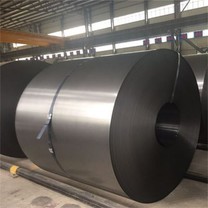
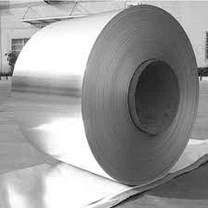
Zinc Aluminum Magnesium Steel Coil Price Guide in 2026
The price of Zinc-Aluminum-Magnesium (ZAM) steel coils in 2026 is determined by a combination of global raw material indices, coating thickness (ZM weight), and the long-term "Total Cost of Ownership" (TCO) advantage. While the initial purchase price of ZAM may carry a premium of 10% to 15% over traditional Hot-Dip Galvanized (HDG) steel, its ability to provide up to 10 times the corrosion resistance often results in a 30% reduction in total project costs by eliminating maintenance and replacement cycles. At GNEE STEEL, we offer dynamic pricing models that reflect real-time market conditions while ensuring the highest ROI for your infrastructure and solar projects.
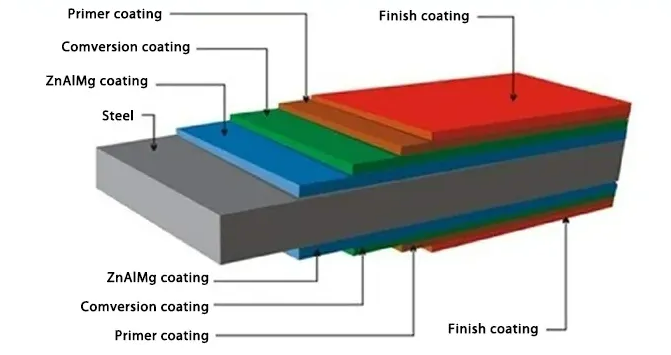
1. What Are the Primary Factors Influencing ZAM Coil Prices in 2026?
The market price of ZAM steel coils is highly sensitive to the fluctuating costs of Magnesium and Aluminum, which are essential for the coating's self-healing properties. Unlike standard Galvanized steel (GI) which only tracks Zinc prices, ZAM is a ternary alloy product influenced by three different metal exchanges.
Raw Material Indices: As of 2026, the global demand for Magnesium (Mg) in the aerospace and renewable energy sectors continues to impact the surcharge on ZAM coatings. A 1% increase in Magnesium content can significantly enhance durability but also affects the base price per ton.
Coating Weight (ZM120 vs. ZM275): Pricing is directly proportional to the "ZM" value. A ZM275 coating (275g/m²) provides extreme coastal protection but requires more alloy material than a standard ZM120 commercial grade.
Energy and Carbon Surcharges: With the implementation of global "Green Steel" initiatives in 2026, low-carbon production methods at GNEE STEEL ensure that our ZAM coils meet environmental standards while maintaining price stability against carbon taxes.
2. Why Is ZAM More Cost-Effective Than Traditional Galvanized Steel?
ZAM steel coils offer superior economic value because they allow for a "Thinner Coating, Longer Life" strategy that reduces the amount of steel required for a project. In 2026, smart engineering is focused on reducing the dead load of structures without sacrificing safety.
Material Efficiency: Because ZAM is 5 to 10 times more effective than pure Zinc, engineers can often replace a heavy Z600 (600g/m²) Hot-Dip Galvanized coating with a ZM120 (120g/m²) coating. This reduces the total weight of the order, lowering shipping costs and material expenditure.
Labor Savings: The "self-healing" feature of ZAM eliminates the need for manual edge painting or touch-up sprays at the construction site. This can save up to 5% to 8% of total installation labor costs, making the "all-in" price of ZAM more competitive than HDG.
3. How Do Supply Chain Trends Affect 2026 Procurement?
The shift toward localized supply chains and high-strength steel grades (S350GD/S450GD) has created a premium market for ZAM coils that meet specific structural standards. In 2026, the demand for solar-grade ZAM has surged, leading to a tighter supply for non-contracted buyers.
At GNEE STEEL, we recommend a "Forward-Pricing" strategy for large-scale projects. By locking in volume-based pricing early in the design phase, developers can hedge against the volatility of the 2026 metal markets. Our global logistics network ensures that whether you are in Europe, Southeast Asia, or the Americas, the delivered price of our ZAM coils remains competitive by optimizing freight routes and bulk handling.
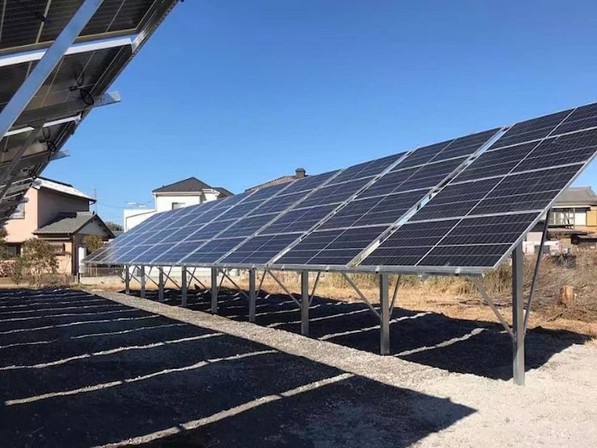
Solar PV Mounting Bracket
4. Understanding Technical Specs: ZM Weight vs. Price Point
Correctly specifying the ZM coating weight for your environment is the most effective way to optimize your budget without over-engineering. Over-specifying can lead to unnecessary costs, while under-specifying leads to premature rust.
| Environment | Recommended Grade | Average Lifespan | Price Impact |
| C1-C2 (Inland/Dry) | ZM90 - ZM120 | 50+ Years | Economy / Standard |
| C3 (Urban/Industrial) | ZM180 - ZM220 | 30+ Years | Mid-Range |
| C4-C5 (Coastal/Marine) | ZM275 - ZM350 | 25+ Years | Premium / High-Performance |
GNEE STEEL provides technical consultations to match your local corrosivity category with the most cost-effective ZM weight, ensuring you don't pay for protection you don't need.
5. Strategic Advice: When Is the Best Time to Buy ZAM Coils?
In 2026, purchasing ZAM steel coils during "Low-Demand" seasonal cycles or through long-term supply agreements yields the highest cost savings. Steel prices traditionally fluctuate based on quarterly manufacturing outputs and infrastructure spending cycles.
Bulk Procurement: Ordering in full container loads (FCL) or high-volume coils significantly reduces the per-kilogram price.
Customization vs. Standard Sizes: Selecting standard widths (1000mm, 1219mm, 1250mm) often results in faster lead times and lower "waste" surcharges from the mill.
The price of Zinc-Aluminum-Magnesium steel is a reflection of its unmatched durability and revolutionary self-healing technology. While the 2026 market remains dynamic, the long-term savings in maintenance and material efficiency make ZAM the most profitable choice for modern engineering.
Don't rely on generic price lists. Contact GNEE STEEL today for a live market quote and a technical assessment tailored to your project's specific location and lifespan requirements.
Frequently Asked Questions (FAQ)
1. Why don't you list a fixed price per ton for ZAM coils?
Steel is a commodity influenced by daily fluctuations in the Zinc, Aluminum, and Magnesium markets. Providing a "live quote" ensures that our customers at GNEE STEEL receive the most accurate and competitive price based on current exchange rates and raw material availability.
2. Is ZAM steel more expensive than Hot-Dip Galvanized?
The initial cost is typically 10–15% higher per ton. However, because you can achieve the same protection with a thinner coating, the "per square meter" price is often comparable, and the "lifetime cost" is significantly lower.
3. How does the Magnesium content affect the price?
Magnesium is a critical component for the self-healing of cut edges. Higher magnesium content (e.g., 3%) provides better protection in saline environments but increases the alloy surcharge. We help you choose the right balance for your budget.
4. Can I get a discount for large-scale solar projects?
Yes. GNEE STEEL offers tiered pricing for utility-scale solar mounting and tracking projects. High-volume orders allow us to optimize production runs and pass those savings directly to the developer.
5. Does the thickness of the steel (gauge) change the ZM coating price?
While the coating price is based on grams per square meter, the total weight of the coil affects freight and processing costs. Thinner gauges (under 0.5mm) often have a "thin-gauge surcharge" due to the slower production speeds required.
6. What is the lead time for ZAM coils in 2026?
Standard lead times range from 4 to 8 weeks depending on the specific grade and coating weight. We also maintain a stock of common specifications for immediate shipment to minimize project delays.
7. Does ZAM steel help with "Green Building" certifications?
Yes. In 2026, many projects use ZAM to gain LEED or ESG points. Its longevity reduces the "replacement carbon" of a building, and its efficient use of zinc makes it a more sustainable choice, which can sometimes lead to favorable financing or tax incentives.
8. How can I get a 2026 price estimate for my project?
Simply send us your required Grade (e.g., S350GD), Thickness, Width, and ZM Coating Weight. Our sales team will provide a comprehensive breakdown including shipping and estimated lead times within 24 hours.