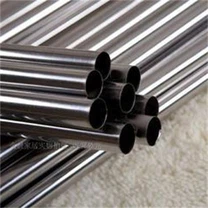
Galvanized Steel vs. Galvalume vs. ZAM Steel
Zinc-Aluminum-Magnesium (ZAM) steel is the superior anti-corrosion solution, offering up to 10 times the durability of traditional galvanized steel in high-salinity and ammonia-rich environments. While Galvanized (GI) and Galvalume (GL) have served as industry standards for decades, the integration of Magnesium in ZAM steel represents a generational leap in metallurgical protection, specifically designed for the 25-year lifespan requirements of modern solar and infrastructure projects.

1. Hot-Dip Galvanized Steel (GI): The Versatile Foundation
Hot-dip galvanizing creates a metallurgical bond between pure zinc and the steel substrate to provide sacrificial protection. Consisting of a coating that is typically 99% Zinc, GI is defined by its adherence to standards such as ASTM A123 or EN ISO 1461.
Mechanism: It protects the base metal through a "sacrificial anode" effect, where the zinc layer corrodes before the steel.
Performance: Ideal for pH-neutral environments, it offers reliable protection but lacks the hardness to resist significant mechanical abrasion.
Limitation: It is highly susceptible to "white rust" in humid conditions and provides minimal protection at cut edges once the barrier is breached.
2. Galvalume Steel (GL): The Heat-Resistant Hybrid
Galvalume steel utilizes an alloy coating of 55% Aluminum, 43.4% Zinc, and 1.6% Silicon to combine barrier protection with sacrificial properties. This material is the industry standard for roofing due to its exceptional heat reflectivity and resistance to uniform surface corrosion.
Mechanism: The aluminum component acts as an inert physical barrier, while the zinc provides localized sacrificial protection.
Performance: It outperforms traditional GI in most atmospheric conditions by a factor of 2 to 3.
Limitation: Galvalume is notoriously weak in alkaline environments (such as livestock facilities) and suffers from accelerated "edge creep" corrosion where the steel is sheared or drilled.
3. ZAM Steel: The Advanced "Self-Healing" Evolution
Zinc-Aluminum-Magnesium (ZAM) steel is a high-performance alloy coating (typically containing 1–3% Magnesium and 1–11% Aluminum) characterized by its revolutionary self-healing cut-edge protection. At GNEE STEEL, our ZAM products are engineered for environments where standard coatings fail within years.
The Magnesium Effect: When corrosion begins, the Magnesium reacts to form a dense, stable, and highly adherent protective film that migrates to cover exposed steel at cut edges or scratches.
Data-Driven Durability: Accelerated salt spray tests indicate that ZAM coatings can last up to 3,000 hours without red rust, compared to approximately 500 hours for standard HDG.
Cost-Efficiency: Because ZAM is significantly more effective, a thinner ZAM coating (e.g., 60g/m²) can often replace a much thicker HDG coating (e.g., 275g/m²), reducing overall structural weight and material costs.
Comparative Analysis Table
| Feature | Galvanized (GI) | Galvalume (GL) | ZAM Steel (ZM) |
| Typical Coating | 99% Zinc | 55% Al, 43% Zn | Zn + Al + Mg |
| Corrosion Resistance | Standard | High | Extreme |
| Edge Protection | Poor | Average | Excellent (Self-Healing) |
| Alkaline Resistance | Average | Poor | Excellent |
| Service Life | 10–15 Years | 20+ Years | 30+ Years |
Request Latest Steel Price Today
Why Is ZAM Steel the Best Choice for Solar and Marine Projects?
ZAM steel is the only coated steel capable of meeting the 25-to-30-year maintenance-free requirements of coastal solar farms and offshore infrastructure. Its unique resistance to chloride ions (salt) and ammonia (agriculture) ensures structural integrity in conditions that would cause traditional galvanized steel to fail prematurely. For global developers, switching to ZAM means eliminating the need for post-installation touch-up painting and significantly reducing long-term OPEX.
Frequently Asked Questions (FAQ)
1. Is ZAM steel more expensive than traditional galvanized steel?
While the per-ton price of ZAM steel may be higher than GI, the total project cost is often lower. Because ZAM is more durable, you can use a thinner coating to achieve the same lifespan, resulting in material savings and lower maintenance costs over the product's life cycle.
2. Can ZAM steel be welded?
Yes. ZAM steel can be welded using standard methods, though parameters may need slight adjustment due to the aluminum and magnesium content. It generally exhibits less "zinc smoke" than traditional galvanized steel.
3. What does the "self-healing" process actually do?
When the steel is cut or scratched, the magnesium in the coating reacts with the environment to create a fine, crystalline protective layer that flows over the exposed steel. This prevents the "red rust" that typically starts at the edges of metal sheets.
4. How does ZAM perform in livestock or agricultural buildings?
ZAM is exceptionally resistant to ammonia and high-humidity environments found in animal housing. Traditional Galvalume (GL) often fails in these alkaline conditions, making ZAM the superior choice for agricultural longevity.
5. Which international standards apply to GNEE STEEL ZAM products?
Our ZAM steel is produced to meet global benchmarks including ASTM A1046/A1046M and EN 10346, ensuring that the mechanical properties and coating weights meet the strictest engineering requirements for international infrastructure projects.