WHAT GRADE OF STEEL IS 1045?
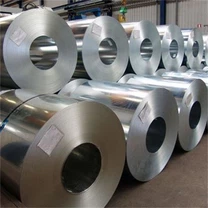
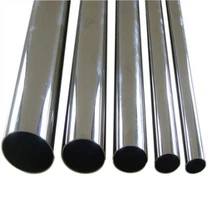
1045 steel is a medium carbon steel that offers better mechanical properties than 1018 steel, as well as a higher level of wear resistance. 1045 steel can be heat treated to achieve a wide range of hardness levels, from HRC 22 to HRC 60. 1045 steel is typically used in applications where greater strength and wear resistance are required, such as gears, shafts, axles, and crankshafts. 1045 steel is also often used in 1045 Steel 1045 is a medium-carbon steel, made with 0.44%-0.50% carbon. It has moderate ductility and strength, plus good machinability and weldability. 1045 is stronger than most of the common low-carbon steels like 1018 & 1020, but with similar malleability.. 1045 is available in rounds, squares, flats, hexagons and other shapes. Its finishes include hot roll Annealed (HR), Cold Drawn (CD) & Turned Ground & Polished (TG&P). The hot roll 1045 TGP shafting meets ASTM A108 Grade 1045 specifications and standards. Tensile strength 125ksi min Yield strength: 85 ksi min Elongation: 12% in 2″.
IS 1045 A GOOD STEEL?
1045 steel is a popular choice for a wide range of applications, from tools and machinery to automotive parts. Its popularity is due to its good weldability, toughness, strength, and affordability. 1045 steel also has good machinability and can be heat treated for greater hardness. While 1045 steel is not as corrosion resistant as other types of steel, it can be treated with a coating or paint to improve its durability. Overall, 1045 steel is a versatile and affordable option that is well suited for a variety of applications.
WHAT DOES 1045 MEAN IN STEEL?
1045 steel is a type of low-carbon steel that contains between 0.4 and 0.5 percent carbon. 1045 steel is often used in applications where strength, hardness, and wear resistance are required. 1045 steel can be heat treated to produce a wide range of properties, including increased hardness and strength, improved machinability, and improved weldability. 1045 steel is also often used in applications where high temperatures are required, such as in furnaces and forge work. 1045 steel is available in a wide range of shapes, including rounds, squares, flats, and Hexagons. 1045 steel can also be supplied in a variety of surface finishes, including hot-rolled, cold-rolled, annealed, or normalized.
CAN 1045 STEEL BE WELDED?
1045 steel can be welded using all standard welding methods. However, it is important to note that 1045 steel has a high carbon content, which can make it susceptible to cracking. As a result, it is important to use a low-hydrogen welding process and to avoid any sudden cooling of the weld area. In addition, it is often necessary to perform a post-weld heat treatment in order to relieve stresses and promote healing of the weld area. With proper care and attention, 1045 steel can be successfully welded without any difficulty.
WHAT IS THE DIFFERENCE BETWEEN 1045 AND 4140 STEEL?
1045 steel is a medium-carbon steel that offers better mechanical properties than 1018 Steel and other lower carbon steels. 1045 is ideal for applications requiring greater strength and wear resistance. 1045 has the most common of the hot-rolled steels. It is suitable for shafts, gears and forgings. 1045 should be normalized before heat treatment. 4140 steel is a low alloy steel that contains chromium, molybdenum, and manganese. 4140 is an oil-hardening steel that can be heat treated to a variety of hardness levels. 4140 offers good wear resistance and toughness in contrast to other quenched and tempered steels. 4140 is typically used in applications where strength, hardness, and abrasion resistance are required. The difference between 1045 and 4140 steels is that 1045 is a medium-carbon steel whereas 4140 is a low alloy steel containing chromium and molybdenum. 1045 is ideal for applications requiring greater strength and wear resistance whereas 4140 is suited for applications where strength, hardness, and abrasion resistance are required.
CAN A 1045 BE HARDENED?
1045 steel is a versatile medium carbon steel that can be heat-treated, forged, and normalized. 1045 can be used for a variety of applications including gears, shafts, axles, and bolts. 1045 is available in a variety of shapes including round, square, and rectangle. 1045 can be hardened by heating the steel to approximately 1700 degrees Fahrenheit and then quenching in water or oil. 1045 can also be annealed by heating the steel to approximately 1500 degrees Fahrenheit and then cooling in a furnace. 1045 is a versatile steel that can be used for a variety of applications.
WHAT IS 1045 CARBON STEEL USED FOR?
1045 steel is a medium-carbon steel that offers better mechanical properties than 1018 steel and other lower-carbon steels. Its strength, durability, and dimensional stability make 1045 steel well-suited for applications requiringma high degree of wear resistance. 1045 steel can be heat-treated to obtain a wide range of hardness levels, from HRC22 for soft applications to HRC60 for maximum wear resistance. 1045 carbon steel also offers good weldability, machinability, and can be normalized or annealed after heat treatment. 1045 carbon steel is commonly used in the automotive and construction industries for a variety of applications.