
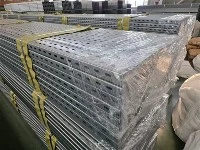

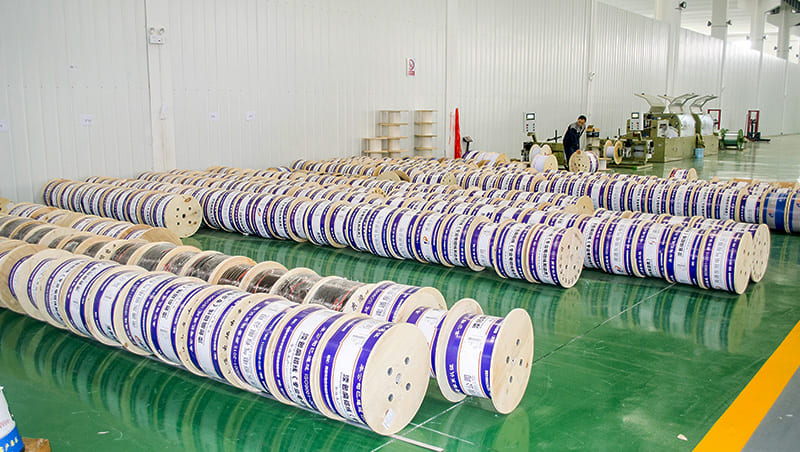
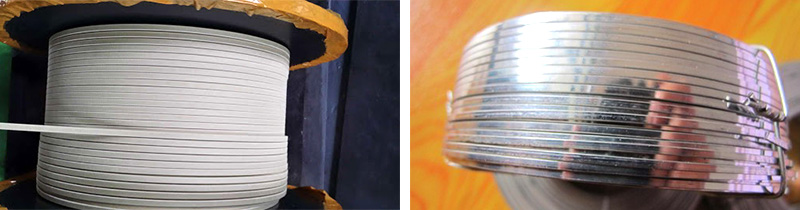
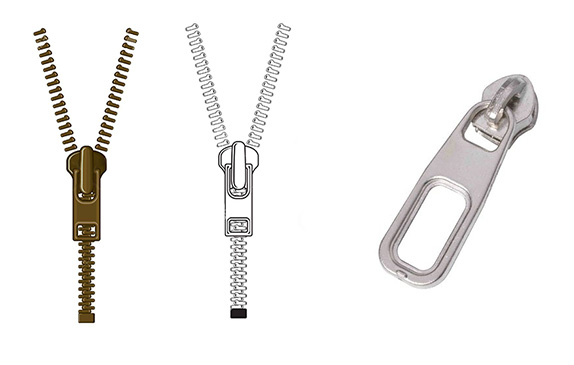
Aluminium Flat Wire is made of an oil-free round aluminum rod, which is extruded through the doe by different specifications. It can be used as a finished product, such as jewelry making. It can be wrapped around gemstones or made into earrings, necklaces, bracelets, or chain maille. For example, 5065 flat wire can be used for the zipper, and it has excellent economic performance and excellent mechanical performance. It can also be an intermediate product, widely used in motors, transformers, welding machines, and other similar equipment.
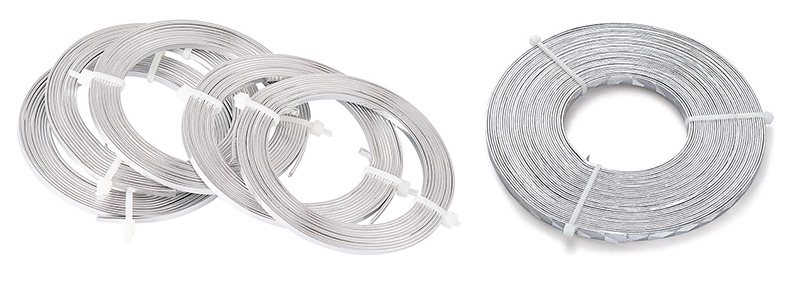
Product Details of Aluminum Flat Wire
Alloy material: 1050, 1070, 1350, 1370, 5056, etc.
Standard: GB5584.3-2009, IEC 60317-16 60317-16/28, MW36 60317-29 BS6811, MW18 60317-18, MW20 60317-47
Thickness: 0.80mm – 12.60mm
Width: 2.00mm – 18.00mm
Width/thickness ratio: 1.4<w/t<8.0
Type: Flat
Brand: CHAL
Characteristics of Aluminum Flat Wire
Good resistance to abrasion
High mechanical property
Excellent bending property suitable for winding
Good chemical resistance
Application of Aluminum Flat Wire
Finished product: For crafting, aluminum flat wire can be shaped into wreaths, hangers, coasters, picture frames & holders, sun catchers, sculptures, napkin rings, letters, mesh, ornaments, bird feeders, doll frames and decorative embellishments.
Intermediate product: Aluminum flat wire can be made into cable conductor, shield braiding, single-conductor and stranded conductor, copper-clad aluminium material, etc.
What is the difference between copper and aluminum wires?
In terms of conductivity, a copper wire is about twice as conductive as an aluminium wire of the same diameter. It will also be heavier, though. If you compare two wires of the same weight and length (but different diameters, because of different densities), they will be more or less equally conductive, and maybe aluminum will even get the upper hand by weight.
In terms of mechanical properties, copper is much more elastic than aluminum in the sense that it is better at being bent/stretched/pulled without being permanently deformed. Aluminium is very ductile, easily plied or formed, but it will not go back to its original shape or form. Consequently, aluminum usually is not used in stranded cables, as the stress on the individual strands when the cable is being flexed would cause some of them to break. Therefore aluminum cables are usually solid, which again means they become stiff compared to a stranded copper cable of the same amp rating.
Chemically, aluminum has excellent resistance against corrosion, whereas copper is more vulnerable, although more resistant than steel. Galvanic corrosion due to current leaks to other conductive materials may, however, accelerate corrosion rapidly.
Last but not least, aluminum is cheaper than copper, and it is way cheaper to recycle.
In short, copper is more compact in volume, and easier to pull, but somewhat more expensive. Therefore copper cables are mostly used in smaller diameters serving all the endpoints of the power grid. For domestic houses and small-scale buildings, all cables will usually be of copper.
Aluminum cables are bulkier, and harder to manhandle, but cheaper and very resistant. Consequently, they are widely used for main power lines of high amperage serving a whole district or some major building facilities.


