


1 Process
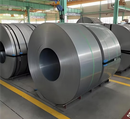
Through the desulfurization of molten iron KR, it is transported to the converter to add alloy for high-temperature smelting, and then degassed through the RH refining furnace. The clean and qualified molten steel is continuously cast into 230 mm steel billets. After being cut to length, it is heated to a certain temperature in the heating furnace and kept at a certain temperature. time, then conduct hot rolling, rough rolling (reversible) and finish rolling (continuous) to a thinner steel strip for coiling, and then transport the steel coil to the cold rolling process for uncoiling, pickling, and cold continuous rolling to the target thickness. The steel coils are then uncoiled for degreasing and cleaning, then undergo recrystallization annealing in a continuous annealing furnace, and then undergo finishing processes such as flattening, trimming, and oiling. Finally, qualified steel coils are produced, inspected, judged, and packaged for storage. Its main process flow is as follows:
KR desulfurization → converter smelting → RH refining → continuous casting → hot continuous rolling → acid continuous rolling → continuous annealing → coiling → finishing (as needed) → finished product inspection → packaging → warehousing.

2 Chemical composition control
Considering the production cost and mechanical performance, no noble alloy is added, C and Mn are used for reinforcement, and the C content is not required to be too high to ensure the final stamping performance. The composition design of DC01 and SPCC steel strips is shown in the table.
Table Chemical composition of DC01 and SPCC steel strips (mass fraction) %
| Grade | C | Si | Mn | P | S | AlS |
|---|---|---|---|---|---|---|
| DC01 | 0.011 | 0.003 | 0.18 | 0.010 | 0.009 | 0.032 |
| SPCC | 0.041 | 0.009 | 0.21 | 0.012 | 0.004 | 0.033 |
| Standard | C | Si | Mn | P | S |
|---|---|---|---|---|---|
| ≤0.12 | ≤0.06 | ≤0.045 | ≤0.0045 | - | - |

3 Hot rolling and acid rolling processes
Both hot rolling and acid rolling adopt continuous rolling process. The hot rolling final rolling temperature and coiling temperature are the main influencing factors on the performance of cold rolled plates: the hot rolling final rolling temperature is slightly higher than the starting temperature Ar3 of ferrite transformation during cooling, and is rapidly cooled immediately after final rolling to obtain uniform iron The solid grains form a favorable texture after cold rolling and annealing; high-temperature coiling is conducive to the precipitation and growth of carbonitrides, reduces the recrystallization temperature of continuous annealing, and increases the plastic strain ratio r. Judging from different cold rolling reduction rates, the cold rolling reduction rate is about 80%, which is beneficial to improving the metal cold rolling deformation energy storage, increasing the driving force for recrystallization during the annealing process, and is beneficial to obtaining a strong favorable texture and High r-value. The main process parameters of hot rolling and acid rolling of DC01 and SPCC steel strips are shown in the table.
Table main parameters of hot rolling and acid rolling of DC01 and SPCC steel strips
| Grade | Hot Rolling Heating (°C) | Finishing Temperature (°C) | Acid Rolling Temperature (°C) | Reduction Rate (%) (mmxmm) |
|---|---|---|---|---|
| DC01 | 1240 | 900 | 680 | 80 |
| SPCC | 1240 | 900 | 650 | 80 |
4 continuous retreat process
Cold rolling annealing is produced in a vertical continuous annealing furnace. The recrystallization annealing process is mainly used to eliminate work hardening after cold rolling deformation, so that the finished product after cold deformation can obtain the required structure, eliminate internal stress, reduce hardness, improve plasticity, and finally obtain ideal deep drawing performance.


