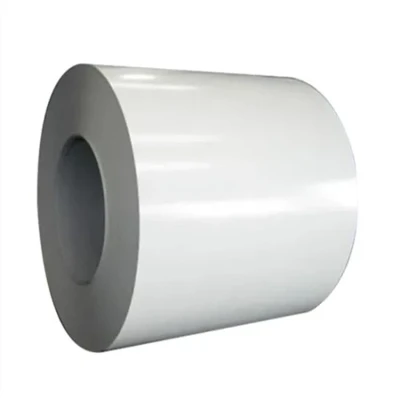

I. What is Cold Rolled Steel Coil?
Cold rolled steel coil refers to a highly versatile and widely used material created through a specific manufacturing process. Unlike hot rolled steel, cold rolled steel undergoes additional processing steps to enhance its properties further. The coil is formed by passing hot rolled steel through a rolling mill at a lower temperature, typically room temperature or below, which contributes to its distinctive characteristics.

II. Characteristics and Advantages:
1. Surface Finish: One of the key benefits of cold rolled steel coil is its exceptional surface finish. The process ensures a smoother and more precise appearance, making it an ideal choice for applications requiring a visually appealing finish.
2. Dimensional Accuracy: Cold rolling allows for precise control over the thickness and dimensions of the steel coil. This level of accuracy makes it highly suitable for industries where tight tolerances are required.
3. Improved Strength: Cold rolled steel coil exhibits excellent strength and durability, making it suitable for demanding applications. Its high tensile strength ensures the integrity of structures and enhances overall performance.
4. Versatility: The versatility of cold rolled steel coil is unmatched. It can be easily formed, bent, cut, or welded, enabling manufacturers to create a wide range of products to meet specific requirements.

III. Manufacturing Process:
The manufacturing process of cold rolled steel coil involves several key steps, including:
1. Pickling: To remove impurities and mill scale from the surface of the hot rolled steel, it goes through a pickling process. This involves immersing the steel coil in an acidic solution to achieve a clean surface.
2. Cold Rolling: The pickled steel coil is then passed through a series of rolling stands at room temperature or below. This process compresses and elongates the steel, increasing its strength and improving its surface finish.
3. Annealing: Post cold rolling, the steel may undergo an annealing process where it is heated and then gradually cooled. This helps to reduce internal stress and enhance its overall formability.