
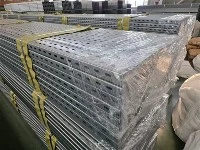
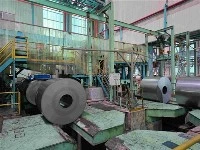

Hot-dip galvanizing is also called hot-dip galvanizing and hot-dip galvanizing: it is an effective method of metal anti-corrosion and is mainly used for metal structural facilities in various industries. It is to immerse the rust-removed steel parts into molten zinc liquid at about 500°C, so that the zinc layer is attached to the surface of the steel components, thereby achieving the purpose of anti-corrosion.
Hot dip galvanizing process flow:
The finished product is pickled-washed-added plating solution-drying-rack plating-cooling-chemical-cleaning-polishing-hot-dip galvanizing and completed.
Hot-dip galvanizing was developed from the older hot-dip method. Since France applied hot-dip galvanizing to industry in 1836, it has a history of more than 170 years. In the past thirty years, with the rapid development of cold-rolled strip steel, the hot-dip galvanizing industry has developed on a large scale.

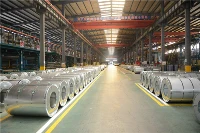
Hot-dip galvanized coils are coated with a layer of zinc on steel coils through the hot-dip galvanizing process. The zinc layer ensures the steel coil has high corrosion resistance, making it ideal for use in outdoor environments and harsh conditions.
Hot-dip galvanizing is a process technology that immerses steel, stainless steel, cast iron and other metals in molten liquid metal or alloy to obtain a coating. Hot-dip galvanizing is the most widely used steel surface treatment method with the best performance and price ratio in the world today. Hot-dip galvanized products play an immeasurable and irreplaceable role in reducing corrosion, extending service life, and saving energy and materials of steel. At the same time, coated steel products are also high value-added short-term products supported and prioritized by the state.


