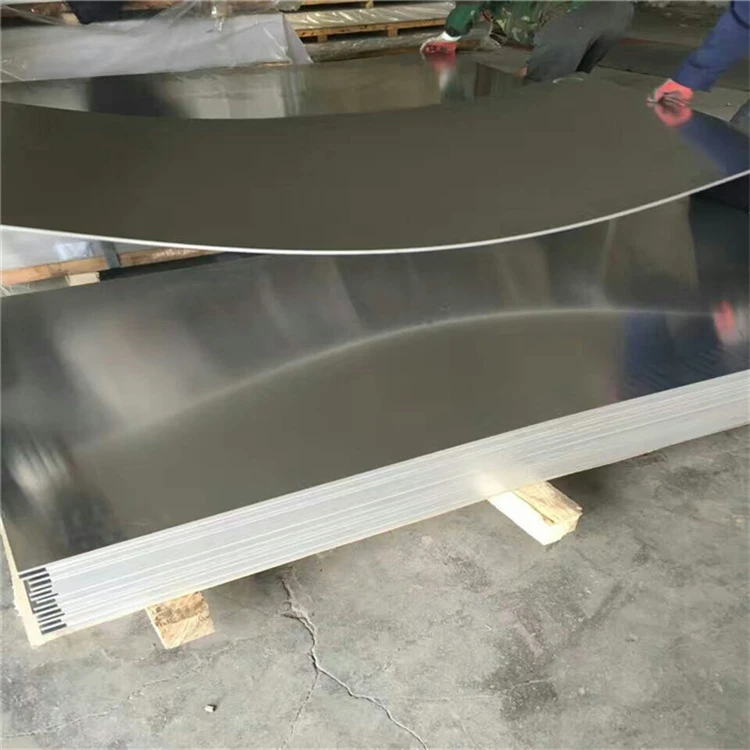


One of the primary benefits of aluminum panel systems is their versatility in design. These panels can be customized to fit any architectural style or design preference, from sleek and modern to more traditional looks. They come in a range of finishes, including brushed, anodized, and painted, and can be used to create a variety of textures, shapes, and patterns.
Aluminum panel systems also offer the advantage of durability. The aluminum panels are resistant to weathering and corrosion, meaning they can withstand exposure to the elements without losing their appearance or performance. This durability makes them an ideal choice for urban environments, where buildings are subject to a variety of weather conditions and other environmental factors.
Another advantage of aluminum panel systems is their sustainability. Aluminum is a highly recyclable material, meaning that panels made from this material can be reused or repurposed after their useful life as building cladding has ended. This reduces waste and contributes to a more sustainable building industry.
In addition to their versatility, durability, and sustainability, aluminum panel systems can also be designed to incorporate additional features that enhance their functionality. For example, panels can be designed to provide improved insulation, reducing energy consumption and costs. They can also be designed to provide additional structural support, making them a useful tool for retrofitting existing buildings or adding new architectural features.
In summary, aluminum panel systems are transforming urban landscapes with their modern design, durability, sustainability, and versatility. As the building industry continues to prioritize sustainable and innovative solutions, the use of aluminum panel systems is expected to grow, making them an important tool for architects and builders looking to create stunning and sustainable urban environments.