
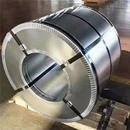


One of the primary benefits of aluminum panels for interior design is their durability. Aluminum is a highly durable material that can withstand heavy usage without degrading over time. This makes it an ideal choice for high-traffic areas, such as commercial spaces or public buildings, where wear and tear are a concern.
Furthermore, aluminum panels offer versatility in terms of design. They can be used in a range of applications, including wall coverings, ceiling panels, and room dividers, among others. This flexibility allows for the creation of customized solutions that can balance aesthetics with functional considerations, such as acoustics and lighting.
Aluminum panels can also be designed to incorporate additional features that enhance their functionality. For example, incorporating insulation materials between the panels and the wall can improve soundproofing, reducing noise levels within a space. Additionally, the use of perforated or textured panels can create visual interest while also diffusing light and controlling glare.
Finally, aluminum panels offer a range of finishes and colors that can be customized to suit a variety of design preferences. From matte to glossy finishes, and from neutral to bold colors, aluminum panels can be tailored to fit any interior design scheme.
In summary, aluminum panels offer a versatile and durable solution for interior design applications. Their flexibility in terms of design, along with their ability to incorporate additional features, makes them a valuable material choice for modern interior spaces. As the construction industry continues to prioritize sustainable and cost-effective solutions, the use of aluminum panels for interior design is expected to grow in popularity.


