


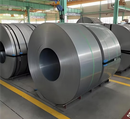
6061 and 6082 are both aluminum alloys that are commonly used in structural and industrial applications. While they have many similarities, there are some key differences between the two alloys.
Chemical composition: The main difference between 6061 and 6082 is their chemical composition. 6061 aluminum alloy contains magnesium and silicon as its major alloying elements, while 6082 contains silicon, magnesium, and a small amount of manganese. The additional manganese in 6082 provides improved corrosion resistance and better weldability.
Strength: 6082 aluminum alloy is generally stronger than 6061, with a higher tensile strength and yield strength. This makes 6082 a better choice for applications where strength is a critical factor.
Machinability: 6061 aluminum is easier to machine than 6082, due to its lower levels of magnesium and silicon. This makes 6061 a better choice for applications where complex shapes and precise tolerances are required.
Weldability: Both alloys are considered to be highly weldable, but 6082 is generally easier to weld due to its lower magnesium content. 6082 also has a lower tendency to crack during welding, which makes it a better choice for some welding applications.
Corrosion resistance: Both alloys have good corrosion resistance, but 6082 has slightly better resistance to corrosion in harsh environments such as marine applications.


